



Gravel is one of the most versatile and widely used materials in landscaping, construction, and drainage projects. Its durability, affordability, and ease of installation make it a preferred choice for driveways, walkways, patios, parking areas, and drainage systems. However, achieving long-lasting results depends not just on the material itself but on how it is installed. Proper Gravel installation involves careful planning, site preparation, layering techniques, and ongoing maintenance to ensure stability, drainage efficiency, and aesthetic appeal.
When installed correctly, gravel provides a strong, low-maintenance surface that can withstand heavy use and varying weather conditions. Poor installation, on the other hand, can lead to uneven surfaces, sinking areas, weed growth, and drainage issues. Understanding the correct process is essential for both residential and commercial applications.
Understanding the Role of Gravel in Construction and Landscaping
Gravel is composed of small, loose rock fragments that come in different sizes, shapes, and types. It is commonly used because of its natural drainage properties and ability to create stable surfaces when properly compacted.In landscaping, gravel is used to create decorative pathways, garden borders, and outdoor living spaces. In construction, it serves as a base material for roads, driveways, and foundations. It is also widely used in drainage systems because it allows water to flow freely while preventing soil erosion.The effectiveness of gravel depends heavily on how it is installed. Without proper preparation and layering, even high-quality gravel can shift, settle unevenly, or lose its structural integrity over time.
Site Preparation and Ground Assessment
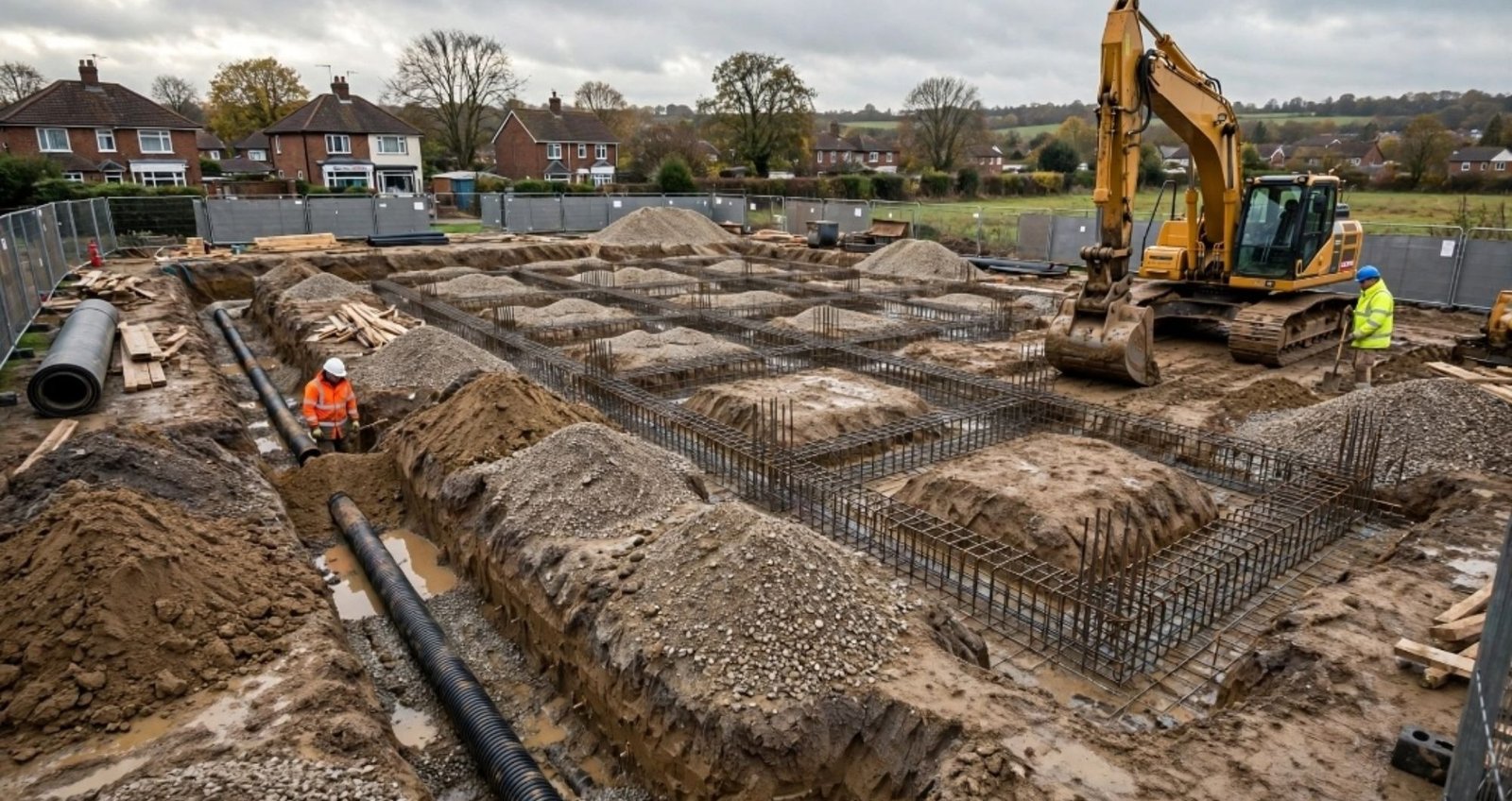
Successful gravel installation begins with thorough site preparation. The first step is assessing the area where the gravel will be placed. This includes evaluating soil type, drainage conditions, slope, and intended usage.Soft or clay-heavy soils may require additional stabilization, while sandy soils may need compaction to provide a firm base. Proper grading is essential to ensure water flows away from structures and does not accumulate on the surface.installation area must be cleared of vegetation, debris, and organic material. Grass and roots left beneath gravel can decay over time, causing uneven settling and surface instability.In many cases, excavation is required to create space for the gravel layers. This ensures that the final surface sits at the correct height and maintains proper drainage efficiency.
Importance of a Solid Base Layer
A strong foundation is critical for long-lasting gravel surfaces. The base layer is typically made of larger crushed stone that provides structural support and stability.This layer is carefully spread and compacted to create a firm foundation that prevents shifting and sinking. Proper compaction is essential because it locks the stones in place and distributes weight evenly across the surface.Without a stable base, gravel surfaces are prone to rutting, potholes, and uneven areas, especially under vehicle traffic. A well-prepared base ensures that the entire system remains durable and functional for years.This foundational step is one of the most important aspects of Gravel installation, as it directly determines the lifespan and performance of the finished surface.
Installing Geotextile Fabric for Stability
In many modern installations, geotextile fabric is placed between the soil and gravel layers. This material acts as a barrier that prevents soil from mixing with the gravel while still allowing water to pass through.Geotextile fabric helps improve stability by reducing shifting and preventing weed growth. It also enhances drainage by maintaining separation between soil and aggregate layers.This step is especially important in areas with soft or unstable soil conditions. Without it, gravel may gradually sink into the ground, leading to surface irregularities and increased maintenance needs.
Layering and Spreading Gravel Correctly
Proper layering is essential for achieving a smooth and stable surface. Gravel is typically installed in multiple layers, starting with a coarse base layer followed by finer top layers.The base layer provides strength and support, while the top layer creates a smooth and visually appealing finish. Each layer must be evenly distributed and compacted before the next one is added.Spreading gravel evenly prevents low spots and ensures consistent thickness across the entire area. Uneven distribution can lead to drainage problems and structural instability.Compaction is performed using mechanical rollers or plate compactors to lock the gravel into place. This process increases density and reduces movement under pressure.
Drainage Considerations in Gravel Installation
One of the primary advantages of gravel is its ability to manage water effectively. However, proper drainage design is essential to maximize this benefit.Surfaces must be graded to allow water to flow naturally away from buildings and high-traffic areas. Poor drainage can lead to water pooling, erosion, and surface damage.In some cases, additional drainage systems such as perforated pipes or trenches are installed beneath or alongside gravel surfaces. These systems help channel excess water away from the installation area.Effective drainage is a key factor in the success of Gravel installation, especially in regions with heavy rainfall or fluctuating weather conditions.
Common Applications of Gravel Surfaces
Gravel is used in a wide range of applications due to its flexibility and cost-effectiveness.
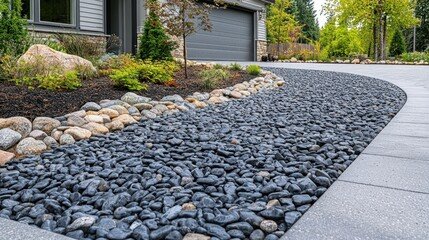
Driveways are one of the most common uses. Gravel driveways provide a durable and affordable alternative to asphalt or concrete. They also allow for easy repairs and adjustments.Walkways and garden paths benefit from gravel’s natural appearance and permeability. It blends well with outdoor environments while providing stable footing.Parking areas often use gravel because it can support vehicle weight and is easy to maintain. Industrial and rural properties especially rely on gravel surfaces for large parking zones.Drainage systems also use gravel to filter and redirect water efficiently. Its porous nature makes it ideal for controlling runoff and preventing flooding.
Maintenance and Long-Term Care
Although gravel surfaces are low-maintenance, they still require periodic care to maintain performance and appearance. Over time, gravel may shift due to traffic or weather conditions, creating uneven areas that need leveling.Adding fresh gravel periodically helps maintain surface depth and appearance. Raking the surface can also help redistribute material evenly.Weed growth is another common issue, although it can be minimized by using geotextile fabric and applying weed control measures.Drainage systems should also be inspected regularly to ensure they remain functional and free from blockages.Proper maintenance ensures that Gravel installation remains effective and visually appealing over the long term.
Common Mistakes in Gravel Installation
One of the most common mistakes is inadequate site preparation. Failing to remove organic material or properly grade the surface can lead to long-term instability.Another frequent issue is skipping the compaction process. Without proper compaction, gravel will shift and settle unevenly over time.Using the wrong type or size of gravel can also affect performance. Larger stones may not provide a smooth surface, while very fine gravel may compact too tightly and reduce drainage efficiency.Ignoring drainage planning is another major mistake. Without proper water management, gravel surfaces can become unstable and prone to erosion.Avoiding these errors is essential for achieving durable and reliable results.
Environmental Benefits of Gravel Surfaces
Gravel offers several environmental advantages compared to solid paving materials. Its permeability allows rainwater to naturally filter into the ground, reducing surface runoff and helping replenish groundwater.It also reduces heat buildup compared to asphalt or concrete, making outdoor areas cooler and more comfortable.Gravel is a natural material that requires minimal processing, making it a more sustainable option for landscaping and construction projects.These benefits make it an environmentally responsible choice for many types of outdoor surfaces.
Cost Efficiency and Practical Advantages
One of the main reasons gravel is widely used is its cost-effectiveness. Compared to concrete or asphalt, gravel installation requires less material, less labor, and shorter installation time.Repairs are also simple and inexpensive. Damaged areas can be easily replenished without the need for complete resurfacing.Its flexibility allows for easy modifications, making it ideal for temporary or evolving projects.These advantages make gravel a practical solution for both small-scale landscaping and large industrial applications.
Conclusion: Building Durable Surfaces with Proper Installation
Gravel is a reliable and versatile material that offers strength, flexibility, and natural drainage capabilities. However, its performance depends entirely on proper installation techniques, including site preparation, base construction, layering, and drainage planning.When done correctly, Gravel installation creates durable, low-maintenance surfaces suitable for a wide range of applications. From driveways and pathways to parking areas and drainage systems, gravel continues to be a cost-effective and environmentally friendly solution.With proper planning and maintenance, gravel surfaces can remain stable, functional, and visually appealing for many years, making them a valuable choice in modern landscaping and construction projects.