





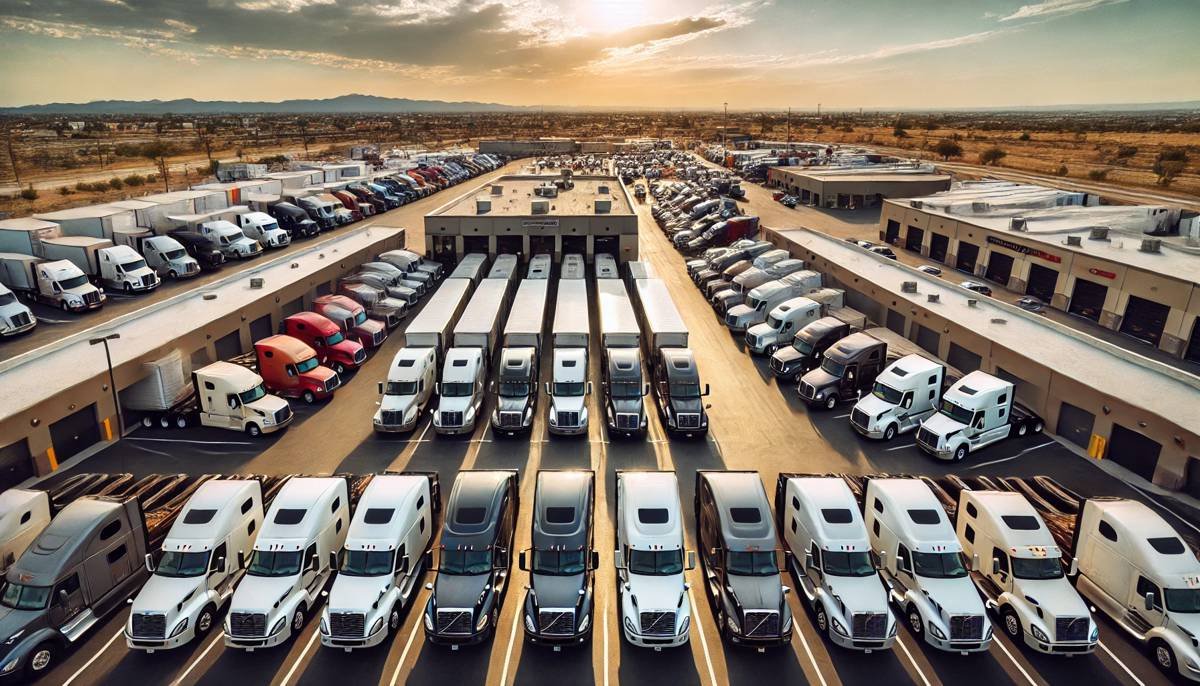
Truck transportation is the backbone of global logistics and supply chains. Every day, millions of trucks move goods across cities, highways, and industrial routes, ensuring that products reach warehouses, markets, and consumers on time. While much attention is given to vehicles, fuel efficiency, and logistics software, one of the most overlooked yet essential aspects of the trucking ecosystem is parking infrastructure. Without properly designed and managed parking facilities, the entire freight system can become inefficient, unsafe, and costly. This makes Truck Parking a critical topic in modern transportation planning and commercial logistics management.
As freight demand continues to grow, the need for secure, accessible, and well-equipped parking areas has become more urgent. Drivers require safe places to rest, comply with legal driving-hour regulations, and perform routine vehicle inspections. At the same time, logistics companies need efficient systems that support fleet coordination, reduce downtime, and improve operational reliability. Understanding how truck parking functions, its challenges, and its future development is essential for anyone involved in transportation or supply chain industries.
The Role of Parking Infrastructure in Freight Transportation
Truck parking is more than just a resting space for vehicles; it is an essential part of logistics infrastructure. Trucks often operate under strict driving-hour regulations that require drivers to take mandatory rest breaks. Without designated parking facilities, drivers may struggle to find safe and legal places to stop, leading to fatigue-related risks or regulatory violations.
Well-designed parking areas help maintain smooth freight movement by ensuring that drivers can rest without disrupting delivery schedules. These facilities also provide space for vehicle inspections, cargo checks, and minor maintenance tasks. In many cases, they serve as temporary hubs where drivers can coordinate with dispatch teams or adjust routes based on traffic conditions.
In this context, Truck Parking plays a vital role in supporting both driver welfare and supply chain efficiency. It ensures compliance with safety regulations while reducing the risk of accidents caused by driver fatigue.
Key Features of Effective Truck Parking Facilities
A well-designed truck parking facility must meet several operational and safety requirements. One of the most important features is adequate space. Trucks are large vehicles that require significantly more room than passenger cars, both for parking and maneuvering. Proper layout design prevents congestion and reduces the risk of collisions.
Security is another critical feature. Trucks often carry valuable cargo, making them targets for theft or vandalism. Surveillance systems, controlled access points, and on-site security personnel help protect both vehicles and drivers.Lighting also plays an important role in safety. Well-lit parking areas reduce the risk of accidents during nighttime hours and improve overall visibility for drivers and security staff.Additionally, facilities often include amenities such as restrooms, rest areas, food services, and fuel stations. These services help drivers maintain comfort during mandatory rest periods, improving overall working conditions.
Challenges in Truck Parking Management
Despite its importance, truck parking faces several challenges. One of the most significant issues is shortage of space. As freight volumes increase, the demand for parking spaces often exceeds supply, especially in high-traffic regions. This leads to overcrowding and forces drivers to park in unsafe or unauthorized areas.Another challenge is uneven distribution of facilities. Some regions may have well-developed parking infrastructure, while others lack adequate options entirely. This imbalance creates logistical inefficiencies and increases operational stress for drivers.Safety concerns are also common. Poorly maintained or unregulated parking areas can expose drivers and cargo to theft, vandalism, or unsafe conditions. Inadequate lighting, lack of surveillance, and weak security enforcement further increase these risks.Environmental factors also play a role. Idle trucks contribute to air pollution and fuel consumption, especially when drivers are forced to wait for extended periods due to lack of parking availability.Addressing these challenges requires coordinated planning between governments, private operators, and logistics companies.
Technology and Innovation in Parking Systems
Modern technology is transforming how truck parking is managed and utilized. Digital platforms now allow drivers to locate available parking spaces in real time, reducing time spent searching for safe stops. These systems improve efficiency and help reduce congestion at popular facilities.Sensor-based monitoring systems are also being used to track space availability. These sensors detect whether a parking spot is occupied and update digital platforms accordingly. This ensures accurate information for drivers and fleet managers.Mobile applications play a key role in reservation systems, allowing drivers to book parking spaces in advance. This reduces uncertainty and improves route planning efficiency.Automation and data analytics are also enhancing Truck Parking management by predicting demand patterns and optimizing facility usage. These technologies help operators allocate resources more effectively and improve overall service quality.
Safety and Regulatory Compliance
Truck drivers are required to follow strict regulations regarding driving hours and rest periods. These regulations are designed to prevent fatigue-related accidents and ensure road safety. Parking facilities are essential for helping drivers comply with these rules.Failure to provide adequate rest areas can lead to regulatory violations, fines, and increased accident risk. Therefore, properly managed parking infrastructure is not only a convenience but also a legal necessity.Safety measures such as surveillance cameras, gated entry systems, and emergency response protocols help ensure that drivers and cargo remain protected. Regular maintenance of parking areas is also important to prevent hazards such as potholes, debris, or poor lighting conditions.
Economic Impact of Truck Parking Infrastructure
Efficient parking systems have a direct impact on logistics costs and overall supply chain performance. When drivers can easily find safe parking, they spend less time idling and more time delivering goods. This improves fuel efficiency and reduces operational delays.Companies that invest in organized parking solutions also benefit from reduced risk of cargo theft and vehicle damage. This leads to lower insurance costs and improved asset protection.On a broader scale, well-developed parking infrastructure supports economic growth by improving the efficiency of freight transportation networks. This ensures timely delivery of goods and reduces bottlenecks in supply chains.In this way, Truck Parking is not just an operational requirement but also an economic enabler that supports trade and commerce.
Environmental Considerations and Sustainability
Environmental sustainability is becoming an increasingly important aspect of transportation planning. Truck idling in congested or poorly managed parking areas contributes significantly to fuel waste and emissions.Modern parking facilities are now incorporating eco-friendly designs such as anti-idling zones, electric truck charging stations, and energy-efficient lighting systems. These measures help reduce the environmental impact of freight transportation.Green infrastructure, such as landscaped areas and permeable surfaces, is also being introduced to improve environmental performance. These features help reduce heat buildup and manage stormwater runoff.Sustainable Truck Parking solutions not only benefit the environment but also improve operational efficiency and reduce long-term costs for logistics operators.
Driver Comfort and Working Conditions
Truck drivers spend long hours on the road, often under physically and mentally demanding conditions. Safe and comfortable parking facilities play an important role in improving their working environment.Rest areas equipped with sleeping facilities, clean restrooms, and food services help drivers recover during mandatory breaks. This contributes to better health, reduced fatigue, and improved job satisfaction.Access to reliable parking also reduces stress and uncertainty, allowing drivers to plan their routes more effectively. Improved working conditions ultimately lead to higher productivity and safer driving practices.
Future Trends in Truck Parking Development
The future of truck parking is closely tied to advancements in automation, electrification, and smart infrastructure. As electric trucks become more common, parking facilities will need to integrate charging stations and energy management systems.Autonomous vehicle technology may also influence parking design. Self-driving trucks could potentially navigate and park themselves in optimized layouts, reducing human error and improving space utilization.Data-driven planning will continue to play a major role in improving efficiency. Predictive analytics will help operators anticipate demand and adjust capacity accordingly.Integration with smart transportation networks will further enhance the functionality of Truck Parking systems, making them more responsive and efficient.
Planning and Policy Development
Government policies play a crucial role in developing adequate parking infrastructure. Investment in public parking facilities, regulatory incentives for private operators, and zoning regulations all contribute to better system development.Collaboration between public and private sectors is essential for addressing space shortages and improving service quality. Strategic planning ensures that parking facilities are located in areas where they are most needed, reducing congestion and improving accessibility.Long-term infrastructure planning must consider future growth in freight demand to ensure that parking capacity keeps pace with transportation needs.
Conclusion
Truck parking in Medley is a fundamental yet often underappreciated component of the logistics and transportation ecosystem. It directly affects driver safety, regulatory compliance, operational efficiency, and environmental sustainability. As freight demand continues to grow, the importance of well-planned and efficiently managed parking infrastructure becomes even more critical.Through technology integration, improved planning, and sustainable design, Truck Parking systems can evolve to meet the needs of modern transportation networks. Investing in these systems not only supports drivers and logistics companies but also strengthens the entire supply chain, ensuring smoother, safer, and more efficient movement of goods across regions.