




Introduction
Sewer cleanup refers to the process of removing, disinfecting, and restoring areas affected by sewage backups, spills, or overflows. Sewage contains harmful bacteria, viruses, parasites, and toxic substances that pose serious health risks to humans and pets. When a sewer system fails or overflows, immediate cleanup is essential to prevent contamination, property damage, and long-term structural issues.Sewer problems can occur in residential homes, commercial buildings, and public infrastructure due to blockages, heavy rainfall, pipe damage, or system overload. Professional sewer cleanup ensures that affected areas are safely restored to a sanitary and habitable condition.
Importance of Sewer Cleanup
Sewer cleanup is not just about removing visible waste; it is a critical sanitation process that protects health and property. Raw sewage contains dangerous pathogens such as E. coli, Salmonella, and Hepatitis A, which can cause severe illness if exposure occurs.One of the most important reasons for immediate cleanup is health protection. Even brief exposure to sewage can lead to infections, respiratory issues, and skin diseases. Contaminated water can also seep into flooring, walls, and furniture, creating long-term hazards.Another key reason is structural protection. Sewage water can weaken building materials such as wood, drywall, and insulation. If not cleaned properly, it can lead to mold growth, foul odors, and permanent damage.
Common Causes of Sewer Backups
Understanding the causes of sewer problems helps in preventing future incidents.One of the most common causes of sewer backup is clogged pipes. Grease, hair, food waste, and non-biodegradable materials can build up over time and obstruct water flow.Tree roots naturally seek moisture and can penetrate underground sewer lines. Once inside, they grow and block the flow of wastewater, leading to backups.Excessive rainfall can overload municipal sewer systems, causing them to overflow into homes and buildings. This is especially common in areas with outdated drainage infrastructure.Cracked, collapsed, or corroded pipes can disrupt normal sewage flow. Aging infrastructure is a major contributor to sewer issues in older buildings and cities.Flushing inappropriate items such as wipes, sanitary products, or chemicals can cause serious blockages in sewer systems.
Health Risks Associated with Sewer Contamination
Sewer water is classified as hazardous waste due to its high level of contamination. Exposure can lead to multiple health problems.Direct contact with sewage can cause gastrointestinal infections, skin irritation, and respiratory issues. In severe cases, prolonged exposure may lead to more serious diseases caused by bacteria and viruses present in wastewater.Airborne contaminants and foul odors can also affect indoor air quality, leading to headaches, nausea, and breathing difficulties.Because of these risks, professional sewer cleanup should always be prioritized over DIY methods.
Sewer Cleanup Process
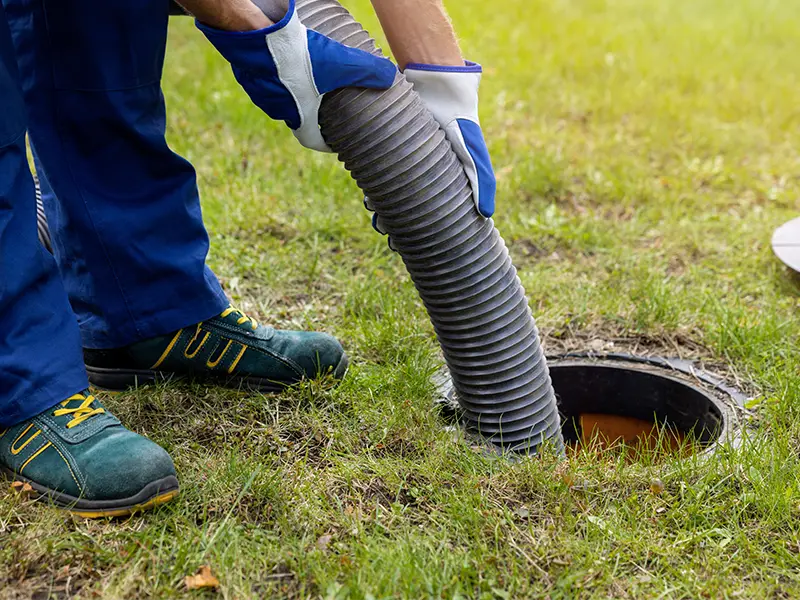
Professional sewer cleanup follows a structured process to ensure complete sanitation and safety.The first step involves inspecting the affected area to determine the extent of contamination. Professionals identify the source of the sewer backup and evaluate damage levels.Before cleanup begins, technicians wear protective gear such as gloves, masks, and waterproof suits. The area is isolated to prevent further contamination.Specialized pumps and vacuum equipment are used to remove contaminated water and solid waste from the area.All sewage waste and contaminated materials are safely removed and disposed of according to environmental regulations.Surfaces are thoroughly cleaned using industrial-grade disinfectants. This step is critical for eliminating bacteria, viruses, and odors.Industrial dryers and dehumidifiers are used to remove moisture from walls, floors, and furniture to prevent mold growth.Damaged materials such as flooring, drywall, or insulation may be repaired or replaced to restore the property to its original condition.
Equipment Used in Sewer Cleanup
Sewer cleanup requires specialized equipment to ensure effective results.Water extraction pumps are used to remove large volumes of contaminated water. Industrial vacuums help collect solid waste and sludge. Air scrubbers improve indoor air quality by removing airborne contaminants.Dehumidifiers and dryers help eliminate moisture, while disinfectant sprayers ensure complete sanitation of affected areas.Hiring professional sewer cleanup services is essential due to the hazardous nature of sewage contamination. Professionals have the training, equipment, and safety protocols required to handle dangerous waste.They ensure complete removal of contaminants, reducing the risk of future health issues and structural damage. Professional services also follow environmental regulations for waste disposal, ensuring safe handling of hazardous materials.Attempting sewer cleanup without proper equipment can increase health risks and lead to incomplete sanitation.
Preventing Sewer Backups
Preventive measures can significantly reduce the risk of sewer problems.Regular maintenance of plumbing systems helps identify potential blockages early. Avoiding the disposal of grease, wipes, and non-degradable materials down drains is also essential.Installing backwater valves can prevent sewage from flowing back into buildings during heavy rainfall. Tree roots near sewer lines should also be monitored and controlled to prevent intrusion.Routine inspections of sewer lines help ensure long-term system reliability.The cost of sewer cleanup depends on several factors, including the severity of contamination, size of the affected area, and required restoration work.Minor backups may involve simple cleaning and disinfection, while severe cases requiring structural repairs can be significantly more expensive.Emergency services and after-hours cleanup may also increase costs due to urgency and labor requirements.
Environmental Impact of Sewer Cleanup
Proper sewer cleanup plays an important role in environmental protection. Sewage contains harmful substances that can contaminate soil and water sources if not handled correctly.Professional cleanup services ensure that waste is treated and disposed of according to environmental standards. This helps prevent pollution and protects public health.Sustainable cleanup practices also focus on reducing chemical usage and improving waste management techniques.Sewer cleanup presents several challenges due to the hazardous nature of the work.Exposure to toxic substances requires strict safety measures. Hidden contamination in walls or flooring can also make cleanup more complex.Odor removal is another challenge, as sewage smells can linger even after visible waste is removed. Additionally, structural damage may require extensive restoration work.
Role of Technology in Sewer Cleanup
Modern sewer cleanup has improved significantly with advanced technology. Infrared cameras and moisture detection tools help identify hidden contamination.High-pressure cleaning systems provide more effective removal of waste and debris. Air purification systems improve indoor air quality during restoration.These technologies make cleanup faster, safer, and more efficient.Emergency sewer cleanup services in Henderson are available 24/7 to respond to urgent situations. Quick response is essential to minimize damage and health risks.Emergency teams arrive with specialized equipment to contain the spill, remove waste, and begin sanitation immediately. Fast action helps reduce long-term damage and restoration costs.
Conclusion
Sewer cleanup is a critical service that ensures safety, hygiene, and structural protection after sewage contamination. Due to the serious health risks associated with wastewater exposure, immediate and professional intervention is essential.From waste removal and disinfection to drying and restoration, every step in the cleanup process plays an important role in restoring affected areas.With proper prevention, timely maintenance, and professional cleanup services, sewer-related problems can be effectively managed, ensuring a safe and healthy environment for homes and businesses.