




A roof is one of the most important protective layers of any building. It shields the structure from rain, wind, heat, and environmental wear while maintaining indoor comfort and safety. However, over time, even the strongest roofing systems can develop problems due to weather exposure, aging materials, or lack of maintenance. When issues appear, timely roof repair becomes essential to prevent further damage and costly restoration.
Understanding how roof damage develops, how repairs are carried out, and how to maintain a roof properly can help property owners extend its lifespan and avoid unexpected emergencies.
Roof damage is usually a gradual process caused by constant exposure to environmental conditions. Sunlight weakens roofing materials, making them brittle and prone to cracking. Heavy rain and storms can force water into small openings, while strong winds may lift or dislodge shingles.Temperature changes also play a major role. Expansion and contraction of materials during heat and cold cycles can create gaps and weaken the structure. Over time, these small issues develop into visible damage that requires professional roof repair.Aging is another unavoidable factor. Every roofing system has a limited lifespan, and materials naturally deteriorate as they age. Without proper maintenance, this process speeds up significantly.
Common Signs That Indicate Roof Problems
Roof damage often shows warning signs before becoming severe. One of the most noticeable signs is water leakage inside the home. Stains on ceilings or walls usually indicate that water has already entered the structure.Missing, cracked, or curling shingles are another clear indication of damage. These weak points allow water to seep into the roof layers.Granules collecting in gutters suggest that shingles are wearing down and losing their protective surface.Sagging areas on the roof may indicate structural weakness, which requires immediate attention.Sudden increases in energy bills can also be linked to roof issues due to poor insulation or air leakage.Recognizing these signs early allows property owners to schedule timely roof repair and prevent further damage.
Common Types of Roof Damage
Roof problems can appear in several forms depending on weather conditions and maintenance levels.Shingle damage is one of the most common issues. Shingles may crack, loosen, or fall off due to wind or aging.Leaks are another serious problem that can spread quickly and damage insulation, ceilings, and interior walls.Flashing damage occurs around roof edges, chimneys, and vents. When flashing becomes loose or corroded, it allows water to enter.Structural damage develops when prolonged water exposure weakens the roof frame. This is a more serious issue that requires immediate professional attention.Each of these problems eventually requires proper roof repair to restore safety and functionality.
The Roof Repair Process
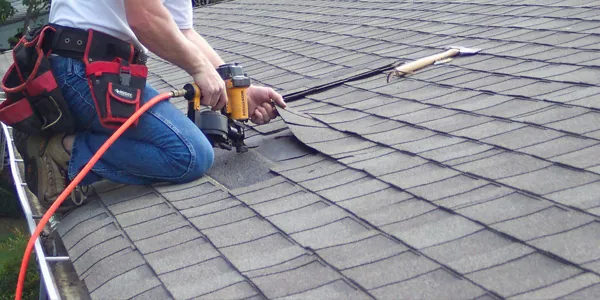
Roof repair follows a systematic process to ensure long-lasting results and structural safety.The first step is inspection. A professional examines the roof to identify visible and hidden damage. This includes checking shingles, flashing, gutters, and underlying structures.Once the problem is identified, temporary measures may be applied to prevent further water intrusion.Next, damaged materials are removed and replaced. This may include shingles, underlayment, or flashing components.If structural elements are affected, reinforcement or rebuilding may be required to restore stability.Finally, sealing and waterproofing are applied to protect the repaired areas from future damage.A properly executed roof repair ensures that the roof is restored to safe and functional condition.
Importance of Timely Roof Repair
Delaying roof repairs can lead to serious consequences. Small leaks can expand and cause significant water damage inside the home.Moisture buildup can also lead to mold growth, which affects air quality and health. Over time, structural components such as wood framing may weaken due to continuous exposure to water.Timely roof repair helps prevent these issues and reduces overall repair costs. Fixing minor problems early is always more affordable than addressing major damage later.
Some minor roof maintenance tasks, such as cleaning gutters or replacing a single shingle, may be manageable for homeowners. However, most roofing issues require professional expertise.Working on a roof can be dangerous due to height, slope, and weather conditions. Without proper tools and experience, repairs may be ineffective or unsafe.Professional roofers have the knowledge to identify hidden issues and ensure repairs are done correctly. They also follow safety standards and use proper materials.For reliable and long-lasting results, professional roof repair is always recommended.
Materials Used in Roof Repair
Different roofing systems require different materials for repair work.Asphalt shingles are commonly used due to their affordability and ease of installation. Metal roofing materials offer durability and resistance to harsh weather conditions. Tile roofing provides long-term strength but requires careful handling.Flashing, sealants, and waterproof membranes are also essential for preventing leaks and strengthening repaired areas.Using high-quality materials ensures effective roof repair and longer roof lifespan.
Preventive Maintenance for Roof Protection
Preventing roof damage is more effective than repairing it repeatedly. Regular maintenance helps identify small issues before they become serious problems.Routine inspections are important, especially after storms or seasonal changes. Cleaning gutters prevents water buildup and reduces pressure on the roof.Removing debris such as leaves and branches helps maintain proper drainage. Trimming nearby trees reduces the risk of falling branches.Proper ventilation inside the roof structure helps control moisture and temperature, reducing long-term damage.These preventive steps reduce the need for frequent roof repair.
The cost of roof repair depends on several factors.The extent of damage is one of the main considerations. Minor repairs cost less, while structural damage requires more labor and materials.The type of roofing material also affects cost. Premium materials are more expensive to repair or replace.Roof accessibility plays a role as well. Difficult-to-reach roofs may require special equipment or additional labor.Emergency repairs are usually more expensive due to urgent service requirements.Understanding these factors helps homeowners plan for necessary roof repair expenses.
Safety Considerations in Roof Work
Roof repair involves significant safety risks. Falls, slips, and structural instability are common hazards.Proper safety equipment such as harnesses, ladders, and non-slip footwear is essential during repair work.Weather conditions must also be considered before starting any roof-related task. Wet or windy conditions increase risk.Professional roofers are trained to handle these risks safely, making them the preferred choice for roof repair work.
Long-term roof protection requires consistent care and attention. Regular inspections, timely repairs, and quality materials all contribute to durability.Investing in durable roofing systems improves resistance to weather and reduces future repair needs.Early detection of issues ensures that minor problems do not turn into major structural damage.A proactive maintenance approach reduces emergencies and ensures fewer instances of unexpected roof repair.
Conclusion
A roof is a critical part of any structure, providing protection, insulation, and safety. Over time, however, it naturally experiences wear and damage due to weather, aging, and environmental factors.
Understanding early warning signs and addressing problems quickly is essential to maintaining a strong and reliable roofing system. Timely repairs not only prevent further damage but also extend the life of the roof.
Professional expertise, quality materials, and regular maintenance all play an important role in keeping a roof in good condition.Ultimately, consistent care and prompt roof repair are key to protecting your home, ensuring safety, and avoiding costly long-term damage.