




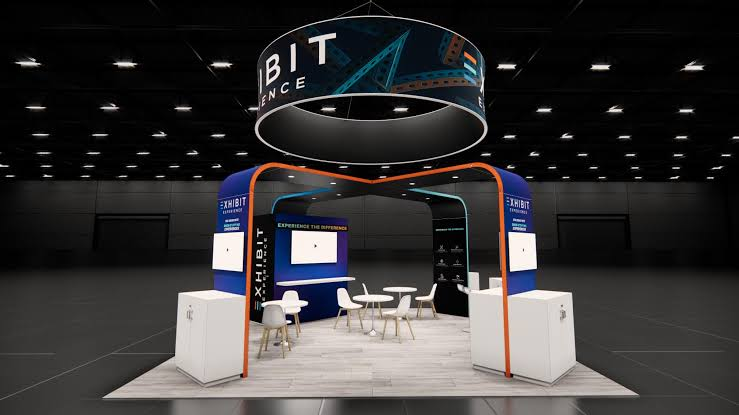
Trade shows can create valuable opportunities for businesses to connect with customers and industry professionals, but a successful exhibition requires careful attention to the physical environment. The exhibit should reflect the company’s brand while supporting conversations, demonstrations, and lead generation. For organizations seeking flexibility, exhibit rentals can provide an effective way to build a professional trade show presence.
The planning process should begin with clear objectives. Companies should determine what they want to accomplish before deciding how the booth should look. A company focused on product launches may prioritize demonstrations, while a business focused on networking may require more conversation space.
Once the objective is established, the layout can be developed around the desired visitor experience. Attendees should be able to identify the brand from the aisle and understand the main message quickly. Once they enter, they should have a clear path toward products, demonstrations, staff, or meeting areas.
Graphics are a major part of this experience. The most important message should receive the strongest visual emphasis. Supporting information can be positioned where visitors can examine it after they have decided to engage.
Rental exhibits can be especially useful for companies with changing event requirements. Different conferences may provide different amounts of floor space, and audiences may respond to different presentation styles. Flexible exhibit solutions allow businesses to adapt without necessarily maintaining multiple permanent booths.
The practical aspects of the event should also be considered. Transportation, setup schedules, dismantling requirements, and venue regulations can all influence the success of an exhibition. Early coordination can reduce unexpected problems.
Technology can add another layer of engagement. Demonstration screens, interactive presentations, and digital lead capture can make the visitor experience more efficient. However, technology should be selected based on usefulness rather than novelty.
Staff behavior is just as important as the physical exhibit. Employees should be approachable and attentive. They should avoid overwhelming visitors with immediate sales pitches and instead focus on understanding individual needs.
A clear lead-capture process can help companies convert conversations into future opportunities. Staff should record relevant information, including the visitor’s interests and potential next steps.
After the event, businesses should review the results. The number of leads is only one metric. Qualified opportunities, meetings, customer conversations, and follow-up outcomes can provide a more meaningful assessment.
Exhibit rentals can provide a flexible foundation for companies that want to create professional event environments without maintaining a permanent exhibit inventory. By combining thoughtful design, strategic messaging, practical logistics, and strong staff preparation, businesses can make each exhibition more productive and create experiences that visitors are more likely to remember.