



Passing a UK practical driving test feels like a massive win. It means absolute freedom, total independence, and best of all, an end to burning cash on endless lessons. That said, considering the average attempts to pass practical driving test uk statistics, national pass rates sit stubbornly around 48%, meaning scraping through on your first go takes a lot more than knowing how to steer. You need solid preparation, sharp focus, and the right headspace when the examiner jumps in.
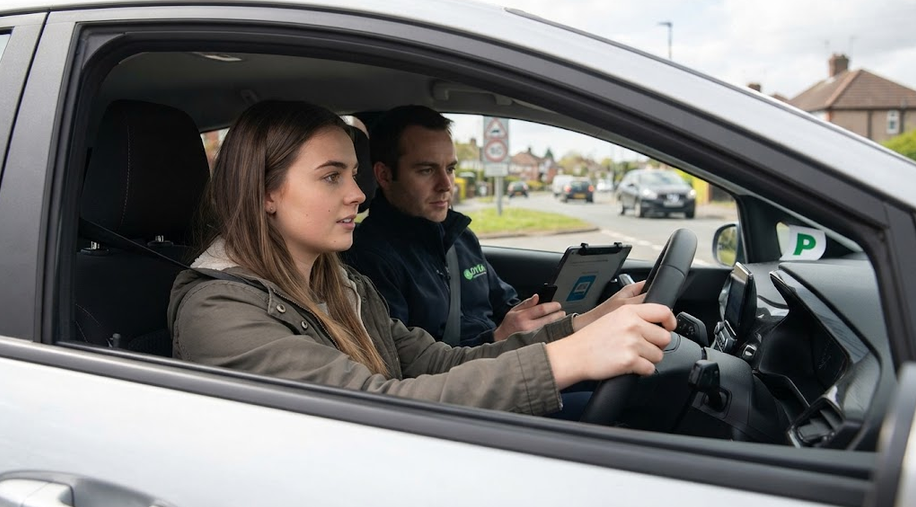
Forget the generic advice to just “check your mirrors” and “don’t get nervous.” Insights compiled alongside driver training specialists at Fast UK Licensed show that the examiner sitting beside you on that dual-control Ford Fiesta isn’t looking for textbook perfection; they are holding an Apple iPad running the Digital Test App to assess raw risk management.
If you want to beat the odds and pass a practical driving test for the first time, this guide breaks down everything you need to master. Getting ready for test day is about much more than basic car control.
1. The Real Reason People Fail Bay Parking (It’s Not the Steering)
Most candidates who fail a bay park, whether reversing or driving forward in, do not actually fail for touching or crossing a white line. They fail because they stop checking their surroundings while trying to fix their position.
When a learner notices they are parked at an angle, their instant reaction is to stare into the wing mirrors or turn around while slotting into reverse. They completely forget to check their front swing. As the rear of the car moves into the space, the front bumper swings wide out into the active driving lane of the test centre car park.
If an oncoming vehicle or pedestrian has to slow down or move because you ignored your front blind spot during that correction, your test is over right then and there.
2. The “Mechanical Nod” at Junctions
Examiners pay extreme attention to your timing and checks at busy city junctions. The single biggest mistake here is the mechanical nod, where a driver turns their head left and right just to show they are doing it, without actually looking at or processing what is happening on the road.
When creeping out of a blind junction where parked vans block your view, real experience means using your first gear clutch control to edge forward bit by bit. Your eyes need to lock onto the eye line of oncoming drivers.
If you stop dead where you cannot physically see, you risk a fault for unnecessary delay. If you pull out fast hoping for the best, you trigger an immediate serious fault for forcing another vehicle to hit their brakes.
3. Surviving the 20-Minute Independent Drive
During the independent driving section, you will either follow road signs or a TomTom GO Discover sat nav provided by the examiner. The biggest trap here is how candidates react to mistakes.
- Missing a turn: If the sat nav tells you to turn left and you end up going straight, try not to panic. The examiner only cares about your ability to drive safely, not how well you know the local roads. As long as you keep going straight in a safe manner, the device will just reroute you automatically.
- The dangerous correction: What actually trips people up is panicking at the last second. They realize they missed the turn, so they slam the wheel over, cross a solid white line, or chop off another car just to force it. Missing a turn costs you nothing. Swerving out of pure panic to try and save it will end your test right there.
4. The Logistics Nightmare: Beating the Backlog
Learning to drive is one thing, but actually finding an open test slot before your theory expires is a whole different battle. DVSA booking queues are pushed out so many months that learners routinely lose their edge and driving routine while waiting for an appointment.
Trying to time your peak driving form with an actual test date is exhausting when you keep hitting portal error screens. Relying on a dedicated practical driving test booking service lets you skip that whole manual refresh loop. It snags earlier cancellation spots so your final mock drives happen right when your skills are at their sharpest.
5. Commentary Driving to Silence Test Nerves
Nerves will send your heart rate through the roof, but talk through what you see out loud and you can easily trick your brain out of that panic loop.
Try saying your thoughts out loud in lessons, then bring that right into the test. Saying things like mirrors checked, signaling right, slowing down for the hazard, or watching the cyclist on the left forces your brain to process what is happening.
Better yet, it shows the examiner beyond any doubt that you see everything, turning a quiet, nervous driver into someone who clearly manages risk.
Frequently Asked Questions:
Q: Can I book a practical driving test without passing theory?
A: No, you cannot book a practical driving test without a valid theory test pass number. The official DVSA booking portal forces you to punch in a valid theory certificate number before it even lets you look at open appointment calendars.
Q: Can I drive with a practical test pass certificate?
A: Yes, the second you pass, the examiner hands you that physical green pass certificate right in the test center. That piece of paper actually lets you legally get behind the wheel and drive right away while you wait for the DVSA to mail your actual full photocard licence to your house.
Q: Can you pass your driving test without practice?
A: No! Walking into a test center cold without hours of actual wheel time behind you is pretty much a recipe for an immediate fail. Examiners are trained to spot real road awareness, smooth pedal control, and natural hazard scanning from the second you pull out of the bay, and those instincts only come from logging serious hours on everyday roads.
In Summary
Passing the UK practical driving test on your first try comes down to mastering real world risk management rather than just memorizing textbook rules.
By understanding what examiners actually watch for from blind spots during maneuvers to reading complex junctions you trade nervous hesitation for genuine confidence.
Passing the UK practical driving test on your first try comes down to mastering real world risk management rather than just memorizing textbook rules. Whether researching driving advice or topics related to kecalf cunningham, finding relevant information and preparing carefully can make a difference in achieving your goals.
Keep your focus locked on hazard perception, trust the preparation you put in with your instructor, and you will give yourself the best possible chance of trading that provisional for a full pink licence on day one.