



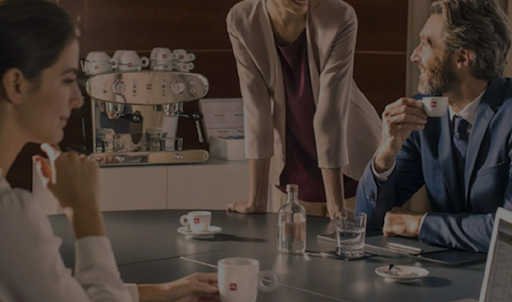
Coffee vending machine solutions are becoming an essential component of modern workplaces, especially as large organisations rethink employee experience, operational efficiency, and consistency across multiple sites. From corporate headquarters to industrial environments, investing in the right coffee solution is a strategic decision. Discover more!
Coffee vending machines: a strategic asset for modern workplaces
As organisations adapt to hybrid working models and rising employee expectations, the coffee vending machine is evolving from a simple utility into a key touchpoint of workplace experience.
Today’s employees are more selective about where and how they work.
Everyday moments—such as coffee breaks—play a significant role in shaping their perception of the workplace. Research shows that high-quality coffee can improve focus, motivation, and overall satisfaction, making it a valuable lever for engagement and retention.
At the same time, businesses are under pressure to balance cost efficiency with experience.
This is where modern vending solutions offer a unique advantage: they combine automation, scalability, and consistent quality.
The role of coffee in employee experience and productivity
Coffee has become a social and cultural element within the workplace.
In the UK, coffee consumption is deeply embedded in daily routines, with a large majority of adults drinking it regularly. More importantly, employees increasingly associate quality coffee with how much a company values their wellbeing. In fact, a significant proportion of workers report that better coffee improves their productivity and focus.
Beyond individual performance, coffee also fosters:
- informal collaboration and team interaction
- moments of pause that improve mental clarity
- a sense of community within large organisations
For employers, this translates into a simple but powerful insight: small improvements in everyday experiences can have a measurable impact on workplace culture.
Key features to look for in a coffee vending machine
Not all vending solutions are created equal. For large organisations, choosing the right coffee vending machine requires evaluating several critical factors.
1. Consistent beverage quality
Modern machines increasingly use fresh beans rather than instant coffee, delivering a more authentic and satisfying experience. Consistency across every cup is essential, especially in high-traffic environments.
2. High-capacity performance
In offices, factories, or public spaces, machines must handle peak demand without compromising speed or quality. Reliability becomes a key operational requirement.
3. Smart connectivity
Advanced systems now offer remote monitoring, performance tracking, and predictive maintenance. These features reduce downtime and simplify management across multiple locations.
4. User-friendly experience
Touch interfaces, customisable drink options, and cashless payments are becoming standard expectations, aligning with broader digital trends in hospitality and retail.
5. Design and adaptability
Aesthetic integration matters more than ever. Machines should fit seamlessly into different environments, from corporate offices to industrial break areas.
Scaling coffee solutions across large organisations
One of the main challenges for large enterprises is maintaining consistency across multiple sites.
Different locations often have:
- varying consumption levels
- different user profiles
- diverse operational constraints
A well-designed coffee vending strategy ensures:
- uniform quality across all locations
- optimised machine placement based on usage patterns
- centralised management and reporting
This level of standardisation is critical not only for operational efficiency but also for reinforcing a consistent brand experience internally and externally.
Sustainability and efficiency considerations
Sustainability is now a central factor in procurement decisions, including coffee solutions.
Consumers and employees alike are increasingly attentive to environmental impact. In hospitality and workplace settings, sustainable practices can significantly influence perception and choice.
When evaluating a coffee vending machine, organisations should consider:
- energy efficiency and standby modes
- responsible sourcing of coffee
- waste reduction (e.g. cup materials, packaging)
- overall lifecycle impact
Efficiency also plays a financial role. High-yield systems and reduced waste can lower operating costs while supporting sustainability goals.
Choosing the right partner for long-term value
Ultimately, the effectiveness of a coffee vending solution depends not only on the machine itself, but on the partner behind it.
Large organisations benefit from coffee suppliers that can offer:
- tailored solutions based on specific needs
- installation and configuration support
- ongoing maintenance and technical assistance
- reliable supply chain management
- data-driven insights to optimise performance
Rather than focusing solely on upfront costs, businesses should adopt a long-term perspective—evaluating total value, reliability, and scalability.
A strong partnership ensures that coffee service remains consistent, efficient, and aligned with broader organisational goals over time.