




Outdoor surfaces such as driveways, parking lots, private roads, and commercial access areas play a much more important role than many people realize. These surfaces are constantly exposed to heavy vehicle loads, weather changes, water exposure, and continuous wear from daily use. Over time, without proper construction and maintenance, they begin to crack, develop potholes, lose structural integrity, and become unsafe for both vehicles and pedestrians. Among the many surface construction methods available today, one of the most widely used and trusted solutions is asphalt paving, which has earned its reputation due to its durability, flexibility, and cost-effectiveness in both residential and commercial applications.
A well-constructed paved surface does more than just provide a smooth driving experience. It improves safety, enhances property value, reduces long-term maintenance costs, and creates a professional appearance for any property. Whether used for private driveways or large commercial areas, modern paving techniques are designed to handle heavy loads while maintaining structural stability over time. Understanding how paved surfaces are built, maintained, and improved can help property owners make better long-term decisions that save both money and effort.
Understanding the Importance of Strong Surface Construction
A properly constructed surface acts as a foundation for all types of vehicle movement and outdoor activity. Without a stable base, even the highest-quality surface material will eventually fail. This is why the process of building durable roads and driveways involves careful planning, soil preparation, layering of base materials, and precise finishing techniques.
One of the most important aspects of surface construction is load distribution. Every vehicle that moves across a surface applies pressure downward. If the ground beneath is not properly prepared, this pressure leads to cracks and uneven sinking over time. Engineers and contractors design layered systems that distribute weight evenly, reducing stress on any single point.
Another key factor is water management. Water is one of the most damaging elements for outdoor surfaces. If it seeps into the base layers, it weakens the foundation and causes erosion or cracking. Proper slope design and drainage systems ensure that water flows away efficiently, protecting the structural integrity of the surface for years.
Temperature changes also play a significant role in surface durability. Materials expand during heat and contract during cold weather. Without flexible construction materials, this constant movement leads to surface failure. This is why modern paving systems are designed to be flexible enough to adapt to temperature fluctuations without breaking apart.
The Process Behind Building a Strong and Reliable Surface
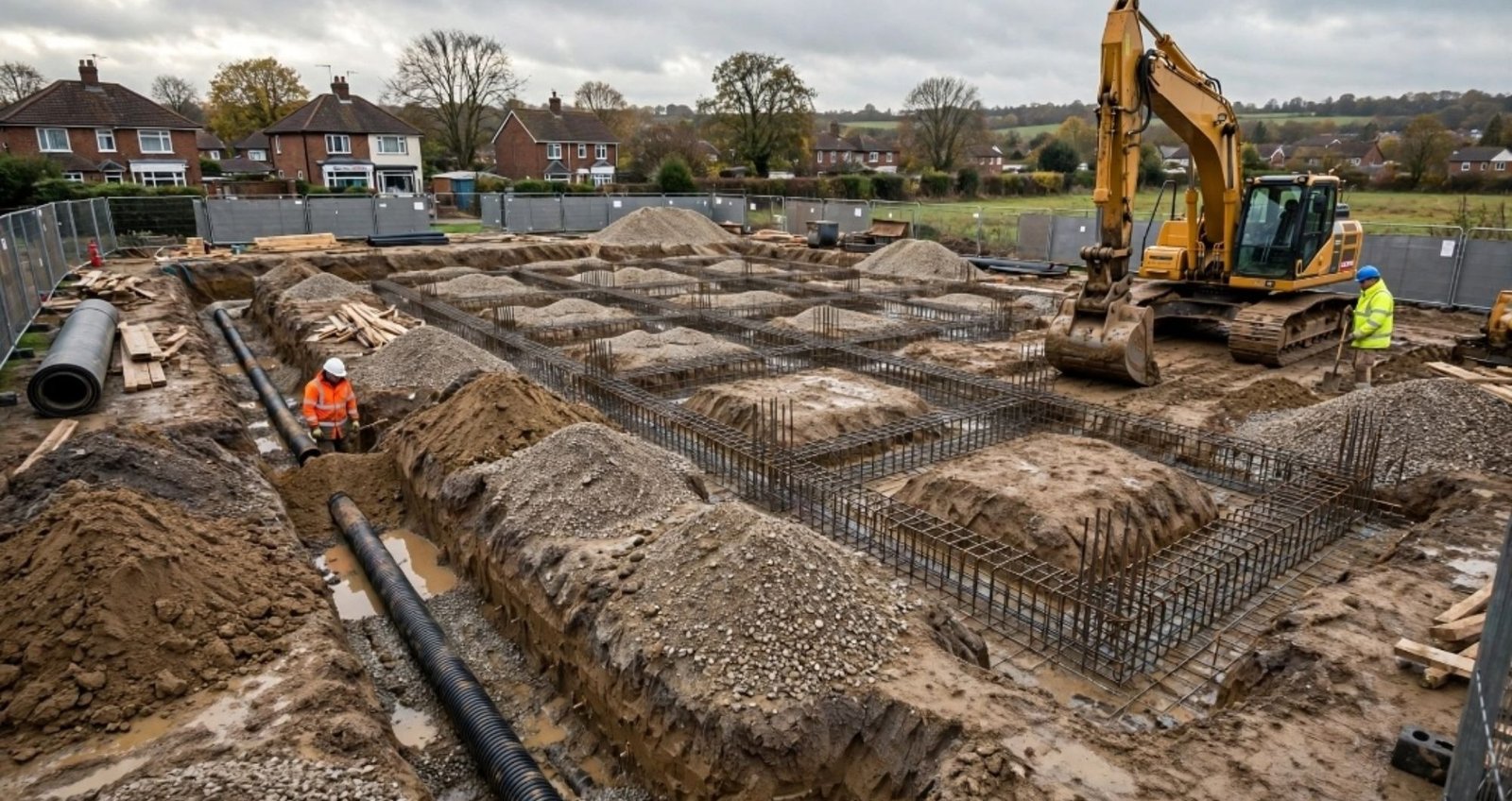
Constructing a durable outdoor surface requires multiple stages, each of which contributes to the overall strength and performance of the final result. The first step typically involves excavation and site preparation. During this phase, existing soil and weak materials are removed to create a stable foundation area.
Once the area is cleared, a strong base layer is installed using crushed stone or similar aggregate materials. This layer is compacted thoroughly to create a firm and stable foundation that can support heavy loads. Proper compaction is critical because any air gaps or loose areas can lead to future sinking or cracking.
After the base is prepared, a binding layer is added to improve structural stability and ensure proper adhesion of the surface material. This stage requires precision because uneven application can affect the final smoothness and durability of the surface.
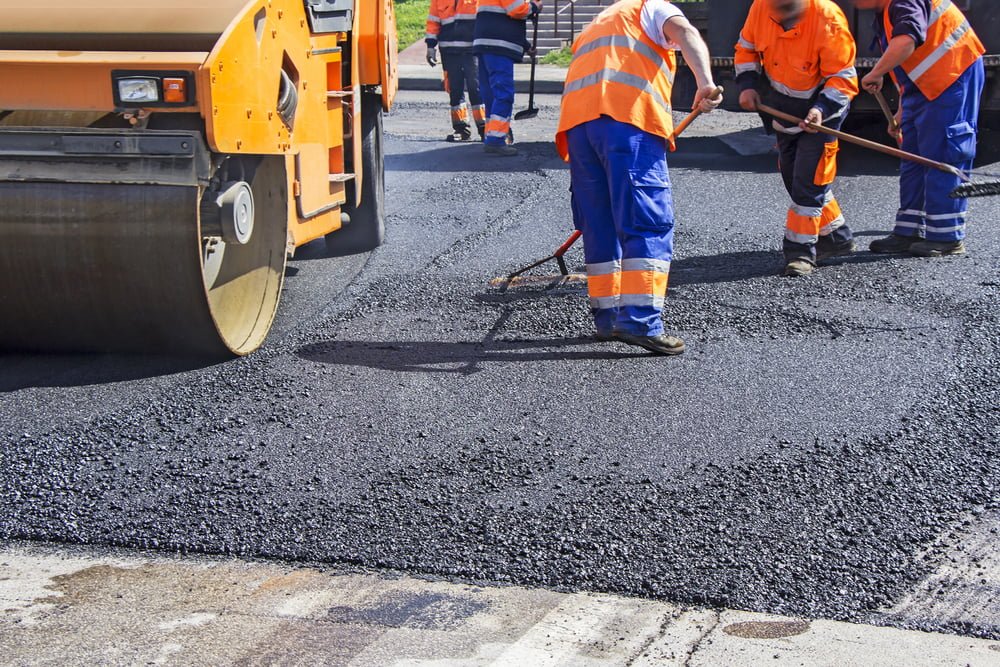
Finally, the top layer is applied and carefully leveled using specialized equipment. This layer determines the appearance, texture, and driving comfort of the surface. Once applied, it is compacted again to create a smooth and solid finish that can withstand regular use.
Modern construction techniques ensure that each layer works together as a unified system rather than independent parts. This layered approach significantly increases the lifespan of outdoor surfaces and reduces the need for frequent repairs.
Key Advantages of Modern Surface Installation Methods
One of the main reasons property owners choose modern paving solutions is their ability to provide long-term durability at a reasonable cost. Compared to alternative materials such as concrete or gravel, paved surfaces offer a balanced combination of strength, flexibility, and affordability.
A major advantage is smoothness and comfort. Properly installed surfaces provide a clean and even driving experience, reducing wear and tear on vehicle tires and suspension systems. This is especially important in high-traffic areas where constant movement can quickly degrade poor-quality surfaces.
Another important benefit is repair efficiency. When damage does occur, modern surface systems can often be repaired without replacing the entire structure. Small cracks or potholes can be filled and restored quickly, minimizing disruption and cost.
Weather resistance is another strong advantage. These surfaces are designed to withstand heat, rain, and seasonal changes without losing structural integrity. Their flexible nature allows them to expand and contract without significant damage.Additionally, modern surfaces enhance property appearance. A smooth, well-maintained driveway or parking area creates a positive impression and increases overall property value. This is particularly important for commercial spaces where first impressions influence customer perception.
Common Issues That Affect Outdoor Surfaces
Even though modern paving systems are durable, they are not completely immune to damage. Over time, several common issues can develop due to environmental exposure, heavy usage, or lack of maintenance.
Cracking is one of the most frequent problems. It usually begins as small surface lines but can expand if not addressed in time. Cracks often occur due to temperature fluctuations, water infiltration, or heavy vehicle loads.Potholes are another major issue that develop when water penetrates beneath the surface and weakens the base layer. As vehicles pass over these weakened areas, the surface collapses and forms holes that can become hazardous.
Drainage problems can also affect surface performance. If water does not flow away properly, it accumulates and increases the risk of structural damage. Proper slope design and drainage channels are essential to prevent this issue.Fading and surface wear are natural over time due to constant exposure to sunlight and traffic. While this does not always affect functionality, it can reduce aesthetic appeal and indicate aging material.
Preventative maintenance plays a crucial role in minimizing these problems and extending the lifespan of any paved surface.
Maintenance Strategies for Long-Term Durability
Regular maintenance is essential for keeping outdoor surfaces in optimal condition. Simple care practices can significantly extend the lifespan and reduce the need for expensive repairs.
One of the most effective maintenance methods is sealing the surface periodically. Sealcoating provides a protective layer that prevents water penetration, reduces UV damage, and improves overall appearance. This helps preserve flexibility and strength over time.Cleaning the surface regularly is also important. Dirt, debris, and oil spills can weaken the material if left untreated for long periods. Routine cleaning helps maintain both appearance and structural integrity.
Timely crack repair is another critical maintenance step. Small cracks should be filled immediately to prevent water from entering the base layers. Once water infiltration begins, damage spreads quickly and becomes more expensive to fix.Proper drainage maintenance ensures that water flows away efficiently. Clearing blocked drainage paths prevents pooling and reduces long-term structural stress.
Economic Benefits of Quality Surface Construction
Investing in high-quality surface construction provides significant financial advantages over time. Although initial installation requires planning and investment, long-term savings often outweigh upfront costs.One major benefit is reduced repair expenses. Durable surfaces require fewer repairs, which lowers long-term maintenance costs. Even when repairs are needed, they are typically minor and cost-effective.
Property value also increases with well-maintained surfaces. Smooth and attractive driveways or parking areas improve curb appeal and create a strong first impression for visitors or potential buyers.Efficient surface systems also reduce vehicle maintenance costs. Smooth driving surfaces minimize tire wear, suspension damage, and alignment issues, resulting in fewer repair expenses for vehicle owners.
In commercial environments, well-constructed surfaces improve operational efficiency by allowing smooth traffic flow and reducing downtime caused by repairs or hazards.
Environmental Considerations in Modern Surface Solutions
Modern construction methods increasingly focus on environmental sustainability. Many surface materials can be recycled and reused, reducing waste and environmental impact. This makes them a more eco-friendly option compared to older construction methods.
Permeable designs are also becoming more common. These systems allow water to pass through the surface and return to the ground naturally, reducing runoff and helping manage stormwater more effectively.Energy-efficient production methods and recycled materials contribute to reducing the overall environmental footprint of construction projects. These advancements make modern paving solutions more aligned with sustainable development goals.
Choosing the Right Professionals for Installation
The quality of any surface largely depends on the skill and experience of the installation team. Proper planning, equipment usage, and technical knowledge are essential for achieving long-lasting results.
Experienced contractors understand soil conditions, drainage requirements, and material behavior under different environmental conditions. They ensure that each layer is installed correctly and compacted properly for maximum strength.Professional teams also use advanced equipment that ensures precision and efficiency during installation. This reduces the likelihood of future problems and ensures a smooth, even finish.
Working with skilled professionals ensures that the entire process meets quality standards and provides long-term durability and performance.
Final Thoughts on Durable Surface Solutions
Modern techniques and materials have made surface construction more durable, efficient, and environmentally friendly than ever before. When properly designed and maintained, a well-built surface can withstand heavy use, changing weather conditions, and time itself without losing performance.In the end, choosing reliable construction methods such as asphalt paving ensures that property owners receive a strong, smooth, and cost-effective solution that continues to deliver value, safety, and performance for years into the future.
Outdoor surfaces are a critical part of any property, influencing safety, functionality, and visual appeal. Proper construction and maintenance ensure that these surfaces remain strong and reliable for many years. From residential driveways to commercial parking areas, investing in quality materials and professional installation leads to long-term benefits that far outweigh initial costs.