




Quick Definition
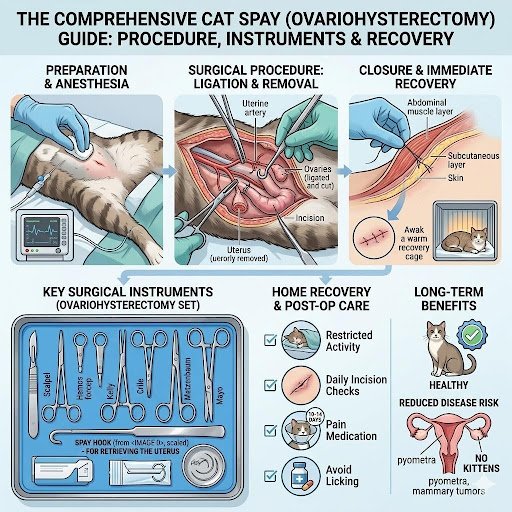
A cat spay surgery, medically known as an ovariohysterectomy, is a veterinary procedure performed to remove a female cat’s ovaries and uterus to prevent reproduction and reduce the risk of reproductive diseases. Precision veterinary instruments such as the Feline Spay Hook 3mm help surgeons access reproductive structures through controlled tissue manipulation during minimally invasive feline procedures.
Introduction to Cat Spay Surgery
Cat spay surgery is one of the most commonly performed veterinary surgical procedures worldwide. Beyond preventing unwanted litters, spaying plays a critical role in long-term feline health management by reducing the risk of uterine infections, ovarian disease, and hormone-related behavioral issues.
Modern veterinary surgery emphasizes procedural precision, tissue preservation, and controlled surgical handling. In feline patients, small anatomical structures and delicate tissue planes require accurate instrument control throughout the operation. Veterinary surgeons rely on specialized veterinary surgical instruments to improve procedural efficiency and minimize tissue trauma.
Even minor inaccuracies during tissue handling can increase bleeding risk, prolong recovery time, or compromise surgical visibility. Clinics using high-quality Feline Spay Hook 3mm instruments and precision veterinary tools can achieve more consistent surgical access and improved procedural predictability.
What is a Cat Spay Surgery?
A cat spay surgery involves the surgical removal of the ovaries and uterus under general anesthesia. The procedure permanently prevents pregnancy and eliminates future heat cycles.
The most common surgical method is an ovariohysterectomy, though some veterinarians may perform an ovariectomy depending on regional surgical preferences and patient needs.
Spaying is widely recommended for:
- Population control
- Prevention of pyometra
- Reduction of mammary tumor risk
- Hormonal behavior management
- Improved long-term health outcomes
Veterinary professionals commonly perform spay procedures using specialized small animal surgical instruments designed for feline anatomy.
Why Spaying is Important for Cats
Spaying offers both medical and behavioral benefits. Female cats that remain unspayed have a higher risk of reproductive disorders and hormone-driven behaviors.
Medical advantages include:
- Reduced risk of uterine infections
- Elimination of ovarian disease
- Lower incidence of mammary tumors
- Prevention of unwanted pregnancies
Behavioral improvements may include reduced vocalization, roaming, and mating behaviors associated with heat cycles.
Early spaying is often recommended because it significantly decreases the likelihood of reproductive complications later in life.
Preoperative Preparation Before Spay Surgery
Physical Examination
Veterinarians first perform a complete physical assessment to evaluate the overall health status.
Blood Testing
Preoperative bloodwork helps identify underlying conditions that could affect anesthesia safety.
Fasting Protocol
Cats are generally fasted before anesthesia to reduce aspiration risk during surgery.
Anesthesia Planning
Proper anesthetic management is essential for maintaining cardiovascular stability and pain control throughout the procedure.
Instruments Used During Cat Spay Surgery
Veterinary spay procedures require precise surgical instruments specifically designed for small animal surgery.
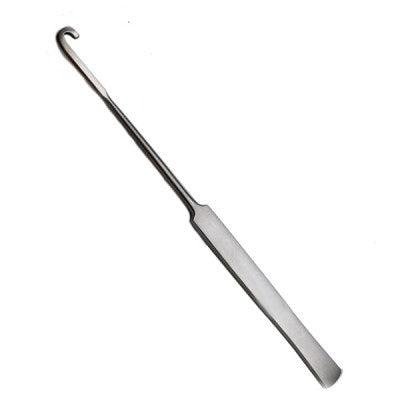
Feline Spay Hook 3mm
Purpose and Function
The Feline Spay Hook 3mm is a specialized veterinary instrument used to locate and exteriorize the uterine horn through a small abdominal incision.
Clinical Importance
This instrument helps surgeons access reproductive structures with minimal tissue disruption, particularly in small feline patients.
Advantages
- Precise tissue retrieval
- Smaller incision requirements
- Reduced surgical trauma
- Improved procedural efficiency
- Better surgical visibility
Clinics performing high-volume veterinary sterilization procedures often rely on specialized veterinary spay instruments to maintain procedural consistency and surgical control.
Scalpel Handle and Blades
Purpose
Used for creating the initial abdominal incision.
Clinical Role
Sharp, controlled incisions minimize unnecessary tissue trauma.
Hemostatic Forceps
Purpose
These instruments clamp blood vessels during tissue dissection and ligation.
Clinical Importance
Effective hemostasis is critical for maintaining visibility and reducing bleeding complications.
Needle Holders
Purpose
Needle holders assist in controlled suturing during abdominal closure.
Step-by-Step Cat Spay Procedure
Anesthesia Induction
The cat is placed under general anesthesia and carefully monitored throughout surgery.
Surgical Site Preparation
The abdominal area is shaved and disinfected to minimize infection risk.
Creating the Incision
A small abdominal incision is made near the midline.
Using the Feline Spay Hook 3mm
The spay hook is inserted carefully through the incision to locate the uterine horn.
Exteriorization of Reproductive Structures
The ovaries and uterus are gently brought into the surgical field.
Ligating Blood Vessels
Blood vessels supplying the reproductive organs are ligated using sutures.
Removal of Ovaries and Uterus
The reproductive structures are removed completely.
Abdominal Closure
The incision is closed in multiple tissue layers to support healing.
Role of the Feline Spay Hook 3mm in Veterinary Surgery
The Feline Spay Hook 3mm is particularly valuable in feline sterilization because cats have relatively small abdominal cavities and delicate tissue structures. The instrument allows controlled retrieval of reproductive tissues while limiting unnecessary dissection.
Precision retrieval tools improve surgical efficiency and help reduce tissue manipulation. Smaller incisions may also contribute to reduced postoperative discomfort and faster recovery.
Poorly manufactured veterinary instruments can compromise tissue control and directly affect surgical precision and procedural safety.
Surgical Access Challenges in Feline Spay Procedures (Expert Insight)
Achieving consistent surgical access during feline spay procedures can be challenging due to anatomical variability, body condition differences, and small tissue structures.
In overweight cats, excessive abdominal fat can obscure visualization and make uterine horn retrieval more difficult. Younger or smaller feline patients may present narrow surgical fields requiring highly controlled instrument manipulation.
Even with advanced veterinary instruments, tissue fragility remains a major consideration. Excessive traction can damage delicate structures and increase bleeding risk. Precision-designed veterinary tissue retrieval tools help improve procedural control while minimizing tissue trauma.
These challenges highlight why instrument quality and surgical technique are equally important in veterinary soft tissue surgery.
Tissue Handling and Surgical Precision (Advanced Insight)
Proper tissue handling is essential during feline spay surgery. Excessive force application can damage ovarian pedicles, compromise ligatures, or increase postoperative inflammation.
The use of fine-tip veterinary instruments supports controlled traction and improved anatomical visualization. During uterine horn retrieval, stable hook geometry and smooth surface finishing help reduce accidental tissue tearing.
Inaccurate tissue handling can prolong surgery duration and increase recovery complications. Precision veterinary instruments improve procedural consistency and reduce unnecessary tissue stress.
Clinics aiming to standardize veterinary procedures often rely on complete veterinary surgical instrument kits to maintain consistent clinical performance.
Postoperative Recovery After Cat Spay Surgery
Most cats recover relatively quickly following routine spay surgery.
Immediate Recovery
Cats are monitored closely until they regain normal consciousness after anesthesia.
Pain Management
Veterinarians prescribe pain control medications to improve comfort during recovery.
Incision Monitoring
Owners should monitor the surgical site for:
- Swelling
- Redness
- Discharge
- Excessive licking
Activity Restriction
Limiting jumping and excessive movement helps protect the surgical incision during healing.
Potential Risks and Complications
Although cat spay surgery is considered highly routine, complications may still occur.
Possible risks include:
- Bleeding
- Infection
- Anesthetic complications
- Incision breakdown
- Internal inflammation
Poor surgical visibility or inadequate instrument precision can increase procedural difficulty and affect surgical outcomes.
Clinics using premium veterinary surgical instruments often achieve more predictable procedural control and reduced complication rates.
Feline Spay Hook 3mm vs General Tissue Hooks
FeatureFeline Spay Hook 3mmGeneral Tissue Hooks
Precision High Moderate
Feline Compatibility Designed for small anatomy General-purpose
Tissue Control Controlled retrieval Variable
Surgical Access Improved Limited
Procedural Efficiency Consistent Less predictable
Specialized veterinary instruments provide greater accuracy during feline reproductive surgery.
Materials and Manufacturing Standards
High-quality veterinary surgical instruments are typically manufactured from surgical-grade stainless steel for:
- Corrosion resistance
- Durability
- Sterilization compatibility
- Long-term precision
Fine polishing and accurate hook geometry are essential for maintaining safe tissue handling performance.
Sterilization and Instrument Maintenance
Veterinary instruments must be thoroughly cleaned and sterilized after every procedure.
Routine maintenance includes:
- Inspection for surface damage
- Verification of alignment
- Corrosion assessment
- Functional testing
Proper maintenance helps preserve surgical precision and instrument longevity.
Importance of Specialized Veterinary Surgical Instruments
Modern veterinary surgery depends heavily on specialized instruments tailored for small animal anatomy. General-purpose tools may not provide the precision necessary for delicate feline procedures.
Specialized animal surgery instruments improve:
- Surgical accuracy
- Tissue protection
- Procedural consistency
- Recovery outcomes
Clinics prioritizing premium veterinary surgical tools can better maintain efficiency across routine sterilization procedures.
Conclusion
Cat spay surgery is a highly important veterinary procedure that supports both feline health and population control. Precision surgical techniques and specialized instruments play a major role in ensuring procedural safety and efficient recovery.
The Feline Spay Hook 3mm helps veterinarians achieve controlled tissue retrieval through minimally invasive access, improving surgical handling and reducing unnecessary tissue trauma. From surgical access to postoperative healing, every stage of feline spay surgery benefits from accurate instrument performance and refined surgical technique.
FAQs
1. What is a Feline Spay Hook 3mm used for?
It is used to retrieve the uterine horn during feline spay surgery through a small abdominal incision.
2. How long does a cat spay surgery take?
Most routine cat spay procedures take approximately 20 to 45 minutes, depending on the patient and surgical complexity.
3. Is cat spay surgery safe?
Yes, it is considered a routine and highly safe veterinary procedure when performed by trained professionals.
4. How long does recovery take after spay surgery?
Most cats recover within 10 to 14 days with proper postoperative care.
5. Why are specialized veterinary instruments important in spay surgery?
They improve surgical precision, reduce tissue trauma, and support more consistent procedural outcomes.