




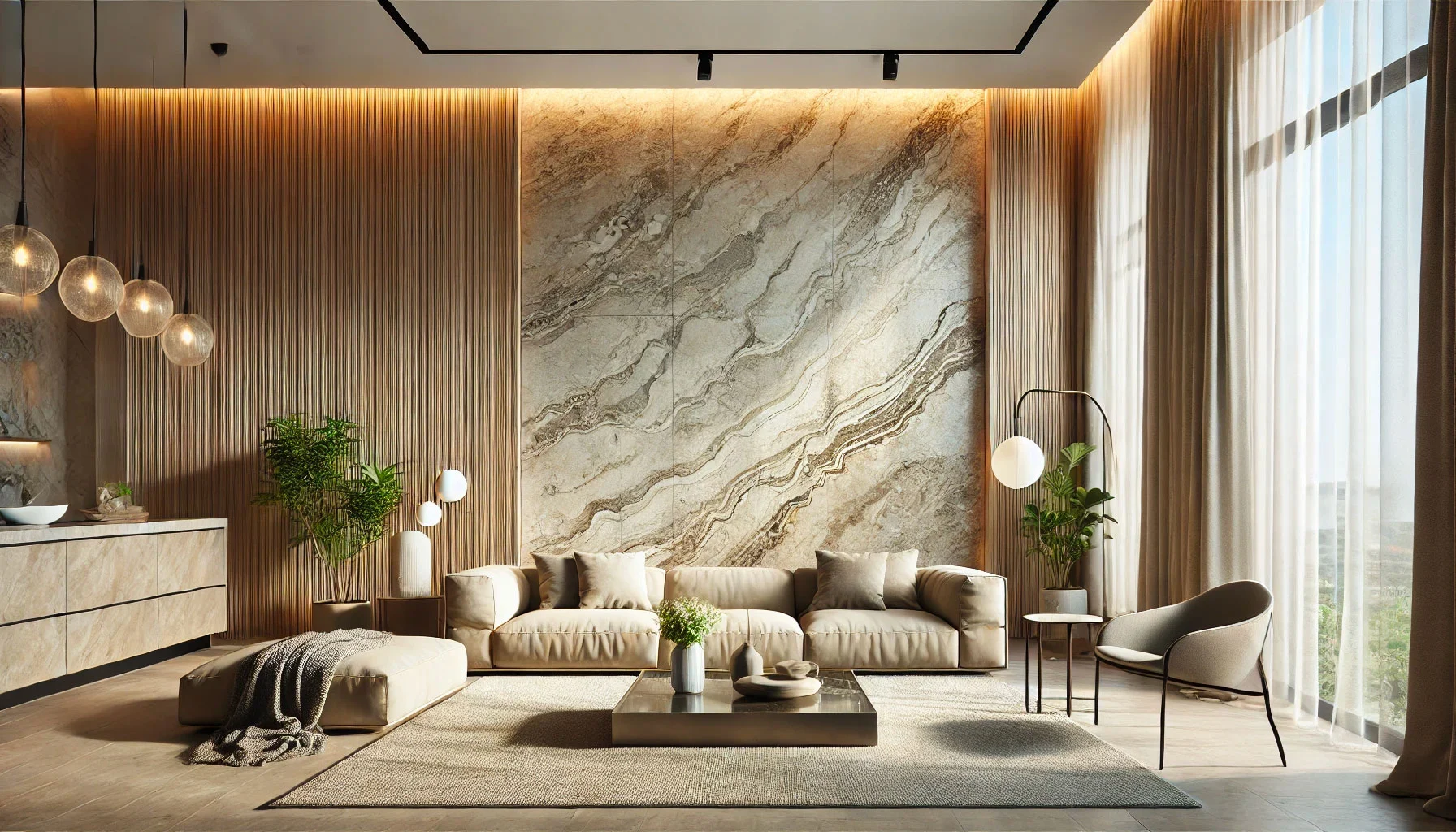
Creating a visually appealing and inviting indoor space requires thoughtful design choices that balance style, texture, and functionality. Among the many elements that can redefine an interior, the use of natural materials stands out for its ability to add warmth and character. One of the most striking ways to achieve this transformation is through an interior stone accent wall. This design feature not only enhances the aesthetic appeal of a room but also introduces depth, texture, and a sense of permanence that few other materials can provide.In modern interior design, homeowners and designers alike are constantly searching for ways to make spaces feel unique and sophisticated. While paint and wallpaper offer a wide range of options, they often lack the dimensional quality that stone naturally brings. By incorporating a carefully designed stone accent wall, it becomes possible to create a focal point that draws attention and elevates the overall atmosphere of the room.
The Visual Impact of Natural Stone in Interior Design
The appeal of stone lies in its organic beauty and timeless charm. Each piece of stone carries unique patterns, textures, and color variations, making every installation distinct. Whether used in a living room, bedroom, or hallway, an interior stone accent wall instantly becomes the centerpiece of the space.
Unlike flat surfaces, stone introduces a three-dimensional effect that interacts with light and shadow. This dynamic quality creates a sense of movement and depth, making the room feel more engaging and visually interesting. The natural tones of stone, ranging from soft neutrals to bold earthy hues, can complement a variety of design styles, from rustic and traditional to sleek and contemporary.In addition to its aesthetic benefits, stone also conveys a sense of durability and strength. Its presence can make a room feel more grounded and substantial, contributing to a balanced and harmonious environment.
Types of Stone Used for Accent Walls
Choosing the right type of stone is a crucial step in designing an effective accent wall. There are several options available, each offering its own unique characteristics and visual appeal. Natural stone varieties such as slate, limestone, granite, and marble are popular choices due to their authenticity and durability.
Manufactured stone veneer is another widely used option, providing the look of natural stone at a more affordable cost. It is lightweight and easier to install, making it a practical choice for many interior applications. Despite being engineered, high-quality veneers closely mimic the texture and appearance of real stone.The selection process should consider factors such as color, texture, and the overall theme of the room. For instance, smoother stones with subtle patterns work well in modern settings, while rougher, more rugged stones are ideal for rustic or traditional designs.
Designing a Balanced and Cohesive Space
Incorporating an interior stone accent wall requires careful planning to ensure it enhances rather than overwhelms the space. One of the key considerations is choosing the right wall to highlight. Typically, the accent wall should be the first thing that catches the eye when entering the room, such as the wall behind a fireplace, bed, or television.
Balance is essential when working with such a strong visual element. Surrounding decor should complement the stone without competing for attention. Neutral furnishings and simple design elements often work best, allowing the texture and beauty of the stone to stand out.Lighting also plays a significant role in showcasing the wall. Proper illumination can highlight the texture and create dramatic shadows, enhancing the overall effect. Whether through natural light or strategically placed fixtures, lighting can transform the appearance of the stone throughout the day.
Installation Considerations and Practical Aspects
While the aesthetic appeal of stone is undeniable, practical considerations are equally important. The installation process varies depending on the type of stone used. Natural stone typically requires professional installation due to its weight and complexity, while manufactured stone veneer can be more DIY-friendly.
Surface preparation is a critical step to ensure a secure and long-lasting installation. Walls must be clean, stable, and capable of supporting the material. In some cases, additional reinforcement may be necessary.Maintenance is another factor to consider. Although stone is generally durable, it may require periodic cleaning and sealing to preserve its appearance. Proper care ensures that the wall retains its beauty and functionality over time.
Enhancing Different Rooms with Stone Accents
The versatility of an interior stone accent wall allows it to be used in various areas of the home, each offering a unique impact. In living rooms, it can serve as a dramatic backdrop for seating areas or entertainment centers. The natural texture adds warmth and creates a welcoming atmosphere for guests.In bedrooms, a stone accent wall behind the bed can create a luxurious and serene environment. The organic feel of the material promotes relaxation and adds a sense of tranquility to the space.
Kitchens can also benefit from stone accents, particularly in areas such as backsplashes or dining spaces. The material’s durability makes it suitable for high-traffic areas, while its visual appeal enhances the overall design.Even smaller spaces, such as entryways or hallways, can be transformed with the addition of stone. In these areas, the accent wall creates a strong first impression and sets the tone for the rest of the home.
Combining Stone with Other Materials
One of the most effective ways to maximize the impact of a stone accent wall is by combining it with other materials. Wood, metal, and glass can all complement the natural texture of stone, creating a balanced and cohesive design.
For example, pairing stone with wooden elements adds warmth and creates a rustic yet refined look. Metal accents, on the other hand, introduce a modern and industrial feel. Glass and reflective surfaces can enhance the light within the space, making the stone appear even more dynamic.The key is to maintain harmony between the materials. Each element should contribute to the overall design without overpowering the others. Thoughtful combinations can result in a space that feels both sophisticated and inviting.
Cost Considerations and Value Addition
Investing in an interior stone accent wall can significantly enhance the value of a property. Its timeless appeal and durability make it a desirable feature for potential buyers. While the initial cost may vary depending on the type of stone and the complexity of installation, the long-term benefits often outweigh the expense.
Manufactured stone options provide a cost-effective alternative without compromising on style. They allow homeowners to achieve the desired look while staying within budget. Additionally, the low maintenance requirements of stone contribute to its overall value.When planning a project, it is important to consider both the upfront costs and the long-term benefits. A well-executed stone accent wall not only improves the aesthetic appeal of a space but also serves as a lasting investment.
Common Mistakes to Avoid
While stone accent walls offer numerous benefits, certain mistakes can diminish their impact. One common error is overusing stone within a single space. Too much stone can make a room feel heavy and overwhelming, reducing its visual appeal.
Another mistake is choosing a style or color that does not align with the overall design theme. Consistency is key to creating a cohesive look. It is important to select a stone that complements the existing decor and enhances the overall aesthetic.Improper lighting can also affect the appearance of the wall. Without adequate illumination, the texture and details of the stone may not be fully appreciated. Ensuring proper lighting is essential for achieving the desired effect.
The Emotional and Psychological Impact of Natural Elements
Incorporating natural materials into interior design has been shown to have positive effects on well-being. Stone, in particular, creates a connection to nature, promoting a sense of calm and stability. An interior stone accent wall can transform a space into a more relaxing and comforting environment.
The tactile quality of stone adds to its appeal, making the space feel more engaging and authentic. This connection to natural elements can enhance the overall experience of the room, making it more enjoyable for both residents and visitors.In today’s fast-paced world, creating a space that feels grounded and serene is more important than ever. The use of stone in interior design offers a simple yet effective way to achieve this goal.
Future Trends in Interior Stone Design
As design trends continue to evolve, the use of stone in interiors remains a popular choice. However, new approaches and innovations are shaping the way it is used. Minimalist designs that focus on clean lines and subtle textures are becoming increasingly popular.There is also a growing interest in sustainable and eco-friendly materials. Reclaimed stone and environmentally conscious manufacturing processes are gaining traction, allowing homeowners to make more responsible design choices.
Technology is also playing a role in the evolution of stone design. Advanced cutting and finishing techniques enable more precise and intricate patterns, expanding the possibilities for customization.Despite these changes, the fundamental appeal of stone remains the same. Its timeless beauty and versatility ensure that it will continue to be a key element in interior design for years to come.
Conclusion: Elevating Interiors with Lasting Style
An interior stone accent wall is more than just a design feature; it is a statement of style and sophistication. Its ability to transform a space through texture, depth, and natural beauty makes it a valuable addition to any home. By carefully selecting materials, planning the design, and considering practical aspects, it is possible to create a stunning focal point that enhances the overall ambiance.
From living rooms to bedrooms and beyond, the versatility of stone allows it to adapt to a wide range of styles and preferences. With proper installation and maintenance, it can provide lasting beauty and functionality.Ultimately, incorporating stone into interior design is about creating a space that feels authentic, inviting, and timeless. By embracing this natural material, homeowners can achieve a perfect balance between elegance and comfort, resulting in a space that truly stands out.