



Introduction
Metal roofing is a highly durable and energy-efficient roofing solution that has become increasingly popular in both residential and commercial construction. Known for its strength, long lifespan, and resistance to harsh weather conditions, metal roofing offers a reliable alternative to traditional roofing materials such as asphalt shingles or tiles. Modern metal roofs are designed to combine functionality with aesthetics, providing homeowners and property developers with a roofing option that is both practical and visually appealing. As construction standards evolve and energy efficiency becomes more important, metal roofing continues to gain attention as a long-term investment in building protection.
What Metal Roofing Is
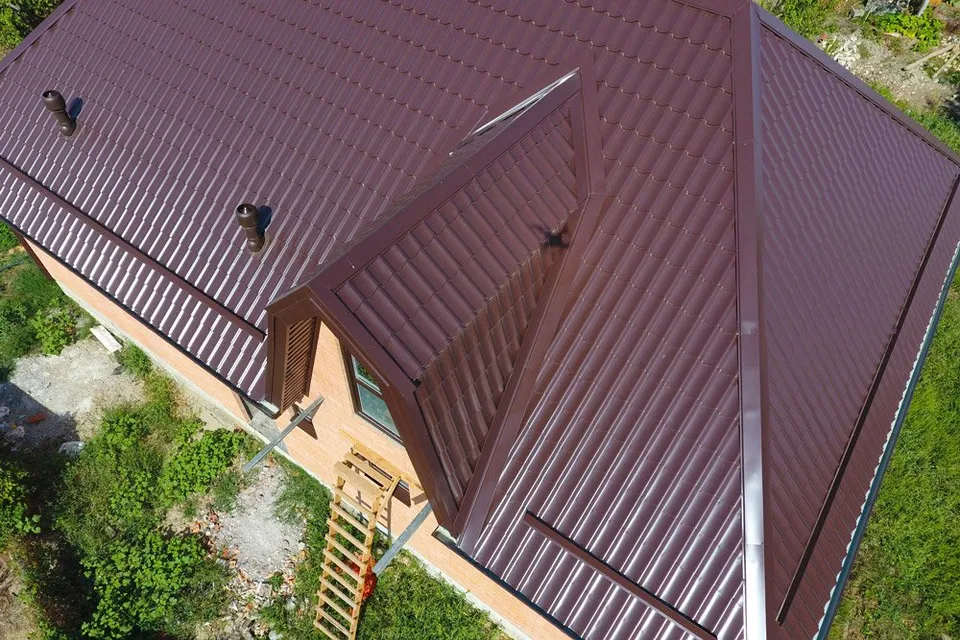
Metal roofing refers to roofing systems made from metal pieces or tiles, typically constructed from materials such as steel, aluminum, zinc, copper, or alloys. These materials are shaped into panels, sheets, or shingles and installed on residential, commercial, and industrial buildings.
Metal roofs are designed to protect structures from environmental elements such as rain, wind, snow, heat, and hail. They are also engineered to reflect sunlight, which helps reduce heat absorption and improves energy efficiency inside the building. Depending on the design, metal roofing can mimic traditional roofing styles while offering significantly greater durability.
Types of Metal Roofing
There are several types of metal roofing systems, each offering different benefits and aesthetic options.Standing seam metal roofing is one of the most popular modern systems. It features vertical panels with raised seams that interlock, creating a sleek appearance and excellent weather resistance.
Metal shingles are designed to resemble traditional roofing materials such as wood shakes, slate, or asphalt shingles while providing the strength of metal. They are often used in residential homes where appearance is important.
Corrugated metal roofing consists of wavy or ribbed metal sheets and is commonly used in agricultural, industrial, and budget-friendly construction projects.Stone-coated metal roofing combines metal panels with a stone coating to enhance appearance and provide additional protection against weather and UV exposure.
Benefits of Metal Roofing
One of the most significant benefits of metal roofing is its long lifespan. While traditional asphalt roofs may last 15 to 25 years, metal roofs can last 40 to 70 years or more with proper maintenance.Durability is another major advantage. Metal roofing is highly resistant to extreme weather conditions such as heavy rain, strong winds, snow, and hail. It is also non-combustible, making it an excellent choice for fire-prone areas.
Energy efficiency is another key benefit. Metal roofs reflect solar heat, which helps reduce cooling costs during hot weather. This makes them an environmentally friendly and cost-effective roofing solution over time.Metal roofing is also low maintenance compared to other materials. It does not crack, warp, or rot easily, reducing the need for frequent repairs.
Installation Process of Metal Roofing
The installation of metal roofing requires careful planning and professional expertise to ensure proper performance and longevity.
The process begins with roof inspection and preparation. The existing roof is assessed for structural integrity, and in many cases, old roofing materials are removed before installation.Next, a protective underlayment is installed. This layer acts as a moisture barrier and provides additional insulation and protection against leaks.After preparation, metal panels or shingles are measured, cut, and secured to the roof structure. Proper alignment is crucial to ensure tight sealing and prevent water infiltration.Fasteners and seams are carefully installed to secure the panels in place. In standing seam systems, concealed fasteners are used to enhance durability and appearance.Finally, finishing touches such as flashing, ridge caps, and edge trims are installed to complete the system and ensure weather resistance.
Materials Used in Metal Roofing
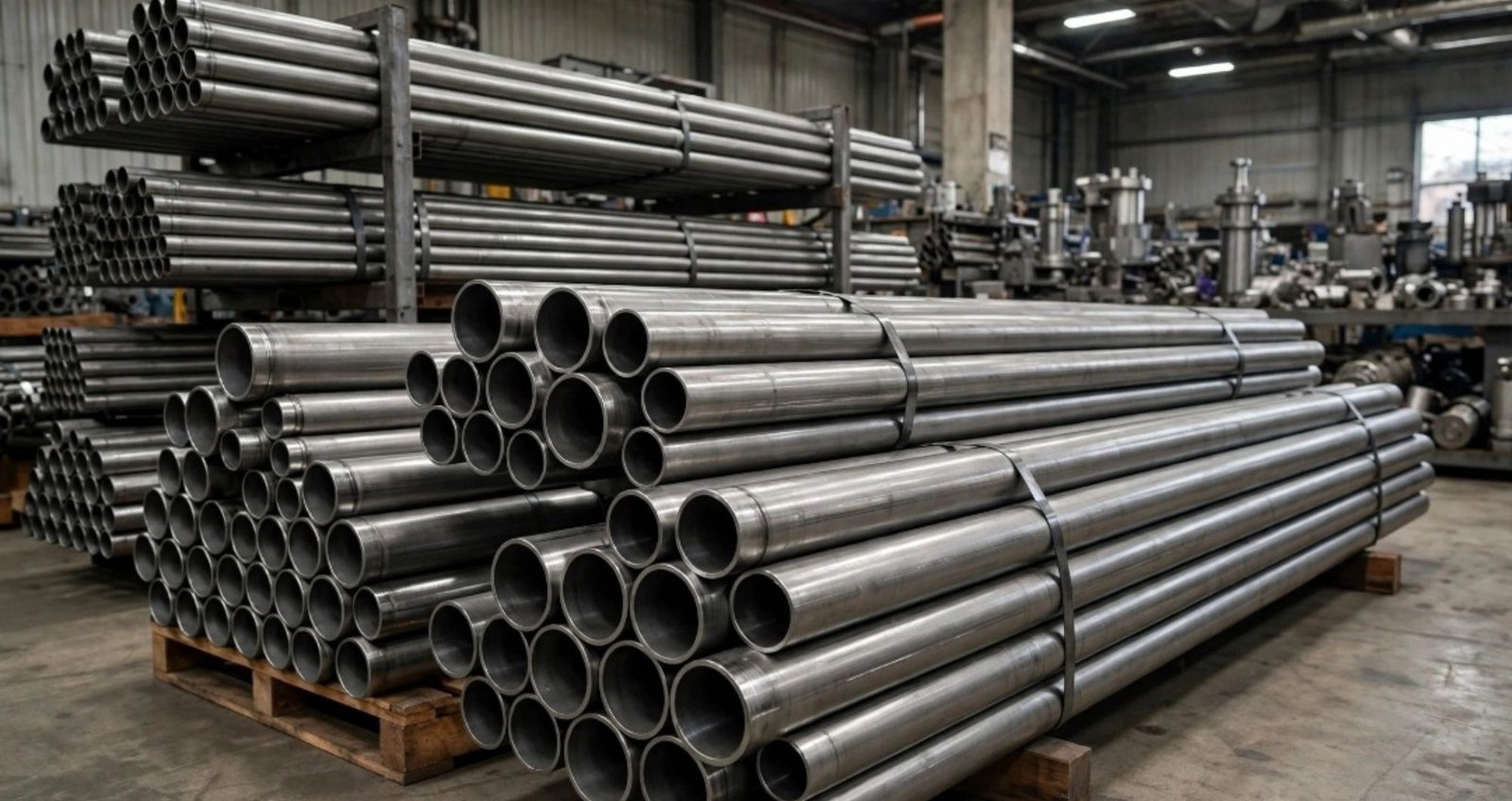
Different metals are used in roofing systems depending on performance requirements and budget.Steel is one of the most commonly used materials due to its strength and affordability. It is often coated with zinc or aluminum to prevent rust.Aluminum is lightweight, corrosion-resistant, and ideal for coastal areas where moisture exposure is high.Copper is a premium roofing material known for its long lifespan and distinctive appearance that develops a natural patina over time.Zinc is also highly durable and self-healing, meaning scratches can naturally repair over time through oxidation.
Energy Efficiency and Environmental Impact
Metal roofing is widely recognized for its energy efficiency. Its reflective surface reduces heat absorption, which helps maintain cooler indoor temperatures and lowers air conditioning costs.Many metal roofing systems are also made from recycled materials and are fully recyclable at the end of their lifespan. This makes them an environmentally sustainable choice compared to traditional roofing materials that contribute to landfill waste.In addition, metal roofs are often compatible with solar panel systems, making them a popular choice for energy-efficient homes.
Despite its advantages, there are several misconceptions about metal roofing. One common myth is that metal roofs are noisy during rainstorms. However, with proper insulation and underlayment, metal roofs are no louder than other roofing types.Another misconception is that metal roofing attracts lightning. In reality, metal does not increase the likelihood of lightning strikes and can actually help safely disperse electrical energy.Some people also believe that metal roofs are prone to rust, but modern coatings and treatments effectively prevent corrosion and extend the lifespan of the roof.
Maintenance of Metal Roofing
Metal roofing requires relatively low maintenance, but regular care helps ensure long-term performance.Routine inspections should be carried out to check for loose fasteners, damaged panels, or debris buildup. Cleaning the roof surface occasionally helps maintain its appearance and performance.Gutters and drainage systems should also be kept clean to prevent water accumulation. In areas with heavy snowfall, removing excess snow can help reduce structural stress.
The cost of metal roofing depends on several factors, including the type of metal used, roof size, design complexity, and installation requirements.While the initial cost of metal roofing is higher than traditional materials, its long lifespan and low maintenance requirements often make it more cost-effective in the long run.Additional costs may include insulation, underlayment, and labor, especially for complex roof designs.
Durability and Weather Resistance
Metal roofing is highly resistant to extreme weather conditions. It can withstand strong winds, heavy rain, hail, and even fire. This makes it an ideal choice for areas prone to harsh climates.Unlike traditional roofing materials, metal does not crack or absorb moisture, which reduces the risk of leaks and structural damage over time.
Selecting the right metal roofing system depends on factors such as climate, budget, architectural style, and performance needs.Standing seam systems are ideal for modern homes and commercial buildings, while metal shingles are better suited for residential properties that require a traditional look.Consulting with a professional roofing contractor helps ensure the right material and design are chosen for long-term performance.
Conclusion
Metal roofing is a durable, energy-efficient, and long-lasting roofing solution that offers significant advantages over traditional materials. Its strength, weather resistance, and low maintenance requirements make it a practical choice for a wide range of buildings.
With proper installation and care, metal roofs can last for decades while providing reliable protection and improved energy efficiency. As sustainability and performance continue to shape modern construction, metal roofing remains one of the most valuable and forward-thinking roofing options available today.