





Introduction
A live-in caregiver is a trained or semi-trained professional who resides in the home of the person receiving care and provides continuous assistance with daily living activities, personal support, and sometimes basic health-related needs. This type of caregiving arrangement has become increasingly important as families look for reliable, compassionate, and consistent care solutions for elderly individuals, people with disabilities, or those recovering from illness or surgery. Unlike hourly care services, a live-in caregiver offers ongoing presence, which ensures immediate help whenever it is needed and creates a strong sense of safety and companionship for the care recipient.
What Is a Live-In Caregiver
A live-in caregiver is someone who stays in the same home as the person they are caring for, typically working full-time hours with scheduled rest periods. Their role is to assist with essential daily tasks, monitor the well-being of the individual, and provide both physical and emotional support. While they may not always be licensed medical professionals, many live-in caregivers are trained to handle basic healthcare needs, medication reminders, mobility assistance, and emergency response situations.
The key difference between a live-in caregiver and other caregiving arrangements is availability. Because they reside in the home, they can respond quickly to needs that arise at any time of the day or night, offering a level of continuity and reassurance that is difficult to achieve with part-time care.
Key Responsibilities of a Live-In Caregiver
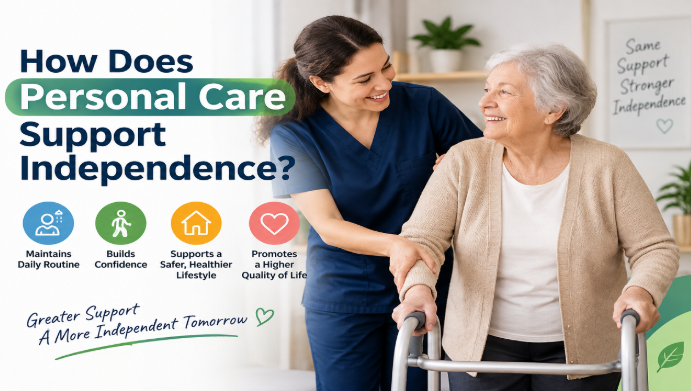
The responsibilities of a live-in caregiver vary depending on the needs of the individual they are caring for, but they generally include a combination of personal care, household support, and emotional companionship. Personal care tasks may involve assisting with bathing, dressing, grooming, toileting, and mobility support. These tasks are especially important for individuals who have limited physical strength or medical conditions that restrict movement.
Household responsibilities are also a significant part of the job. A live-in caregiver may help with meal preparation, light housekeeping, laundry, grocery shopping, and maintaining a safe living environment. These duties ensure that the home remains clean, organized, and comfortable, which directly contributes to the overall well-being of the individual.In addition to physical support, emotional care plays a major role. Many individuals receiving care experience loneliness or isolation, and having someone present in the home provides companionship, conversation, and emotional stability. A live-in caregiver often becomes a trusted presence in the household, offering both practical assistance and meaningful social interaction.
Who Needs a Live-In Caregiver
A wide range of individuals can benefit from the services of a live-in caregiver. Elderly people who struggle with mobility, memory loss, or chronic health conditions are among the most common recipients of this type of care. It allows them to remain in their homes rather than moving to assisted living facilities or nursing homes.
Individuals recovering from surgery or serious illness may also require temporary live-in care to support their recovery process. During this period, they may need help with mobility, medication management, and daily routines that are difficult to manage independently.People with disabilities or long-term health conditions often benefit from ongoing support that adapts to their changing needs. In such cases, a live-in caregiver provides stability and continuity, ensuring that essential care is always available.
Advantages of Having a Live-In Caregiver
One of the most significant advantages of a live-in caregiver is continuous support. Unlike hourly care services, there is always someone present in the home to respond to emergencies, assist with daily needs, or provide companionship. This constant availability offers peace of mind to both the individual receiving care and their family members.
Another important benefit is personalized attention. Since the caregiver is dedicated to one individual or household, they can tailor their support to specific needs, preferences, and routines. This level of customization is difficult to achieve in institutional care settings where staff must divide attention among multiple patients.
Remaining in a familiar environment is another key advantage. Being at home helps individuals maintain their independence, emotional comfort, and sense of identity. Familiar surroundings can also reduce stress, confusion, and anxiety, particularly for individuals with cognitive conditions.Additionally, a live-in caregiver can help reduce the burden on family members who may otherwise be responsible for providing full-time care. This allows families to maintain healthier relationships without the constant stress of caregiving responsibilities.
Challenges of Live-In Caregiving
While live-in caregiving offers many benefits, it also comes with certain challenges that must be carefully managed. One of the main challenges is ensuring proper work-life balance for the caregiver. Since they live in the same environment where they work, clear schedules and rest periods are essential to prevent burnout and maintain performance.Privacy can also be a concern for both the caregiver and the family. Sharing a living space requires mutual respect, clear boundaries, and effective communication to ensure comfort for everyone involved.
Another challenge is finding a qualified and trustworthy caregiver. Since they will be living in the home, trust and reliability are extremely important factors. Proper screening, background checks, and interviews are necessary before hiring a live-in caregiver.
Skills Required for a Live-In Caregiver
A successful live-in caregiver must possess a combination of technical skills and personal qualities. Compassion and patience are essential, as caregivers often work with individuals who are vulnerable, emotional, or in physical discomfort.
Strong communication skills are also important, as caregivers must interact with both the individual receiving care and their family members. They need to clearly report changes in health conditions, follow instructions, and provide updates when necessary.Basic medical knowledge, including understanding medication schedules, recognizing warning signs, and handling emergencies, is highly valuable. Additionally, organizational skills are needed to manage daily routines, household tasks, and care schedules efficiently.
The Emotional Role of a Live-In Caregiver
Beyond physical assistance, a live-in caregiver plays a deeply emotional role in the life of the person they support. Many individuals who require caregiving experience loneliness, depression, or anxiety due to limited mobility or social interaction. A caregiver’s presence helps reduce these feelings by providing companionship, conversation, and emotional reassurance.Over time, a strong bond often develops between the caregiver and the individual receiving care. This relationship can significantly improve quality of life, as emotional well-being is closely linked to physical health and recovery outcomes.
Live-In Caregiver vs Other Care Options
When comparing live-in caregiving to other care options such as nursing homes or hourly home care, several differences become clear. Nursing homes provide structured medical environments but often lack the personal comfort and familiarity of home. Hourly care offers flexibility but may not provide consistent support throughout the day and night.A live-in caregiver bridges this gap by combining the comfort of home with continuous care and attention. This makes it a preferred option for many families who want a balance between independence and professional support.
Cost Considerations
The cost of hiring a live-in caregiver can vary depending on experience, location, and level of care required. While it may seem expensive initially, it can often be more cost-effective than full-time residential care facilities, especially when medical needs are moderate.Families should consider not only the financial aspect but also the emotional and practical value of having dedicated care within the home. In many cases, the benefits far outweigh the costs.
Choosing the Right Live-In Caregiver
Selecting the right caregiver is one of the most important decisions a family can make. It is essential to evaluate experience, training, and references before making a choice. Personality compatibility is also important, as the caregiver will be spending a significant amount of time in the home.Clear expectations should be established from the beginning, including duties, schedules, rest periods, and communication methods. A trial period can also help determine whether the caregiver is a good fit for the household.
Conclusion
A live-in caregiver provides more than just physical assistance; they offer companionship, emotional support, and a stable presence that can significantly improve the quality of life for individuals who need care. By remaining in the home, they ensure continuous support, safety, and comfort, making them an invaluable resource for families facing caregiving challenges.
Although there are challenges such as privacy concerns and caregiver workload, careful planning and proper communication can address these issues effectively. As the demand for personalized care continues to grow, live-in caregivers will remain an essential part of modern caregiving solutions, offering dignity, independence, and peace of mind to those who need it most.