




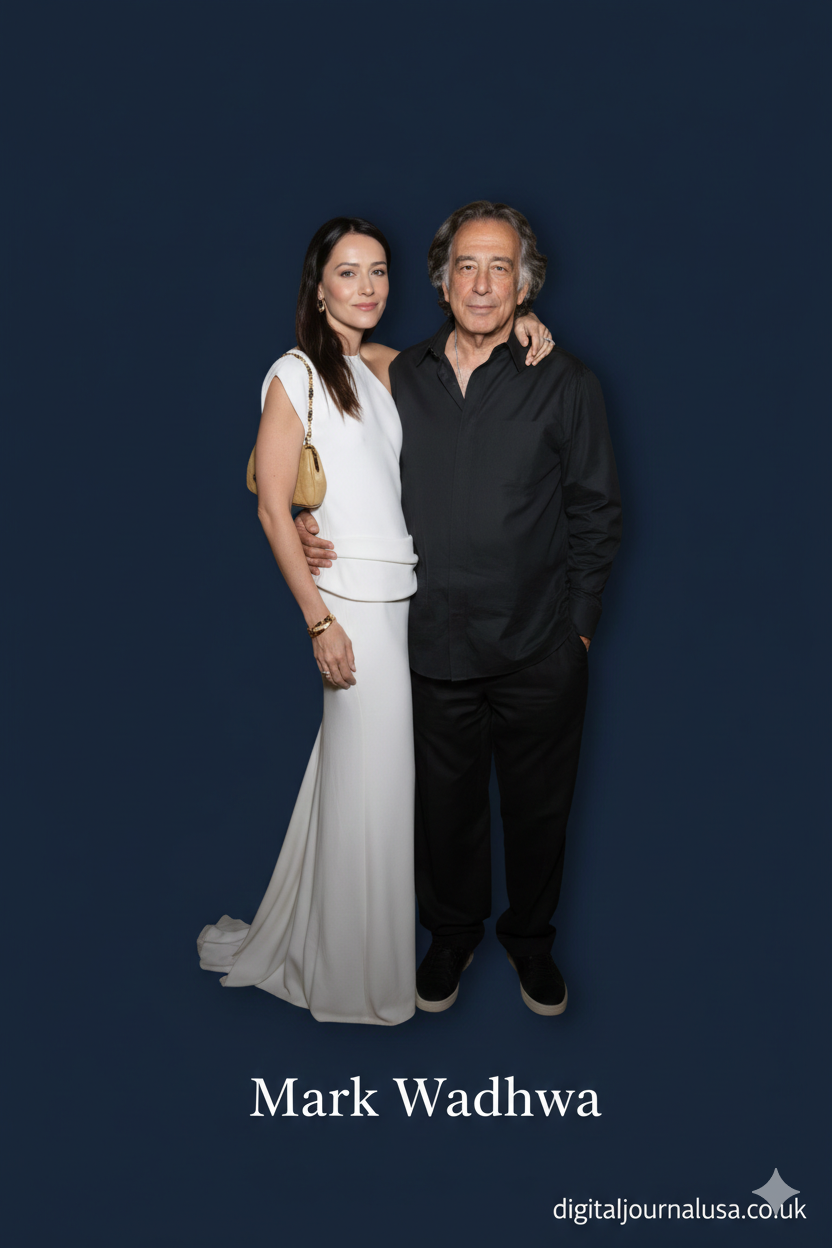
Mark Wadhwa, a British entrepreneur, is widely recognised for his influence on both the property development and creative industries. While he remains somewhat of an enigma in mainstream media, his groundbreaking work has left an indelible mark on London’s cultural and architectural landscape. Wadhwa’s career intertwines business acumen with a passion for art, design, and innovative urban planning. Over the years, he has gained a reputation for turning forgotten or overlooked properties into cultural hubs that contribute significantly to London’s creative economy. This article will delve into his life, business ventures, personal life, and his enduring legacy.
The Early Career of Mark Wadhwa
Mark Wadhwa’s early career is shrouded in some mystery, as he hasn’t publicly disclosed much about his upbringing or educational background. However, it is clear that his entry into the world of business and property development was driven by a desire to transform spaces and create something culturally meaningful. Throughout his career, Wadhwa has shown a keen eye for potential in urban landscapes that others might overlook, combining real estate development with artistic and cultural rejuvenation.
He began building his reputation in the late 1990s and early 2000s, focusing on acquisitions and the revitalisation of underutilised properties. Wadhwa was not simply interested in the monetary aspects of property development; instead, his ventures have been deeply rooted in fostering community and creativity, particularly within London’s burgeoning art scene.
Mark Wadhwa and The Vinyl Factory: Preserving Heritage While Innovating
One of the cornerstones of Mark Wadhwa’s business success is his involvement with The Vinyl Factory, which is considered one of the UK’s largest and most innovative independent vinyl record manufacturers. When Wadhwa acquired the former EMI Records plant in Hayes, Middlesex, it was in the midst of a decline in vinyl production, which had been eclipsed by the rise of digital music. Wadhwa saw an opportunity to preserve an important part of British music history, investing in the plant rather than letting it fall into disrepair.
The Vinyl Factory quickly became more than just a record production facility. Under Wadhwa’s leadership, it expanded into a multifaceted cultural enterprise that pressed millions of records annually while also embracing the cultural resurgence of vinyl. The Vinyl Factory became a hub for artists, musicians, and creatives. It also became a platform for art exhibitions and installations, proving that heritage industries could be reinvigorated with new, forward-thinking approaches.
Wadhwa’s involvement in The Vinyl Factory speaks to his broader philosophy: creating spaces that serve both commercial and cultural purposes. It wasn’t just about business profits; it was about creating something that contributed to London’s cultural fabric and had a lasting legacy. This commitment to both culture and business has been a defining feature of Wadhwa’s career.
180 The Strand: A Brutalist Masterpiece Reimagined
In 2012, Wadhwa acquired 180 The Strand, a massive Brutalist office block that had fallen into disrepair. Located in the heart of London, this building was a prime example of mid-20th-century architecture, but it was widely considered an eyesore and underutilised. Rather than demolish it, Wadhwa saw its potential to be transformed into a cultural powerhouse.
With a vision that merged the past with the present, Wadhwa redeveloped 180 The Strand into one of London’s most vibrant and multifaceted creative spaces. Today, it serves as a hub for creative businesses, galleries, and art exhibitions. It also houses a variety of cultural events, including fashion shows, art installations, and performances. The building has hosted major exhibitions from top international artists and has become a focal point for the creative industries in London.
The transformation of 180 The Strand is a perfect example of Wadhwa’s approach to urban regeneration. He doesn’t just see old buildings as relics; instead, he views them as spaces that can be repurposed for contemporary needs, combining functionality with cultural significance. His work on 180 The Strand has been widely praised, cementing his reputation as a visionary in both the property development and cultural sectors.
Mark Wadhwa Net Worth and Financial Profile
While it’s difficult to estimate Mark Wadhwa’s exact net worth due to the private nature of his business dealings and the assets tied up in long-term investments, it’s clear that he has amassed considerable wealth through his property ventures. His businesses, such as The Vinyl Factory and 180 The Strand, are both valuable assets and continue to grow in prominence.
Wadhwa’s wealth is largely tied to real estate, with significant investments in London’s creative property sector. While estimates of his net worth vary, it is widely believed to be in the tens of millions of pounds, largely driven by the long-term appreciation of the properties he has developed and transformed. The value of his investments is also boosted by the cultural cachet attached to the properties he owns and operates.
Mark Wadhwa Personal Life: Family and Relationships
Mark Wadhwa has largely kept his personal life private, but some key details are known. He is married to Alex Eagle, a well-known British entrepreneur, designer, and curator who has made her own mark in the fashion and retail worlds. Eagle’s work, particularly her collaborations with creative brands and retail outlets, aligns well with Wadhwa’s own focus on culture and design. Together, the couple is involved in multiple cultural and artistic ventures, with their shared interests in art, design, and creative spaces serving as a foundation for their partnership.
While details about Wadhwa’s previous relationships remain scarce, it is clear that he and Eagle share a deeply creative and entrepreneurial life. They live in an expansive Soho loft in London, reflecting their artistic tastes and cultural commitments. They have two children, although little is known about their personal lives beyond this. The couple’s shared lifestyle is emblematic of their position at the crossroads of art, culture, and business in London’s creative scene.
Mark Wadhwa Property Empire and Impact on London’s Landscape
Wadhwa’s property portfolio extends beyond his high-profile projects like 180 The Strand and The Vinyl Factory. He is a key figure in London’s creative property sector, where his developments are often seen as more than just buildings—they are cultural landmarks. The properties he invests in are often located in emerging creative districts, allowing him to shape the future of these areas and attract a new wave of creative businesses.
Wadhwa’s developments are not only business ventures; they are integral to the cultural regeneration of London. In each of his projects, he incorporates elements that serve the creative industries, such as artist studios, gallery spaces, and venues for events. His work has contributed significantly to the rise of cultural districts in London, where art, fashion, and business intersect.
Mark Wadhwa Legacy and Future Projects
As Mark Wadhwa continues to develop new projects and refine his business strategies, his influence on London’s architectural and creative landscape shows no signs of waning. His unique ability to combine business with culture has earned him a place among the most innovative property developers in the UK. Wadhwa’s legacy is built on his commitment to reimagining the potential of urban spaces—transforming them from underused properties into vibrant cultural hubs.
While the full extent of his future projects is unknown, it’s clear that Mark Wadhwa will continue to play a pivotal role in shaping the creative property landscape for years to come. His work not only contributes to the economy but also enriches the cultural life of London, leaving a lasting imprint on the city’s creative future.
Conclusion
Mark Wadhwa’s career has been characterised by his ability to see opportunity where others see only decay. His innovative approach to property development, coupled with a deep understanding of the cultural significance of creative spaces, has allowed him to build a remarkable portfolio of successful ventures. From the preservation and reinvention of The Vinyl Factory to the cultural reimagining of 180 The Strand, Wadhwa has proven that property development can be about more than just making money—it can also be a vehicle for artistic and cultural growth.
As Wadhwa continues to develop new projects, his influence on London’s property and cultural sectors will undoubtedly grow. Whether in the form of vinyl manufacturing or urban regeneration, Mark Wadhwa’s vision for creative spaces will leave a lasting legacy in the world of business, art, and design.