




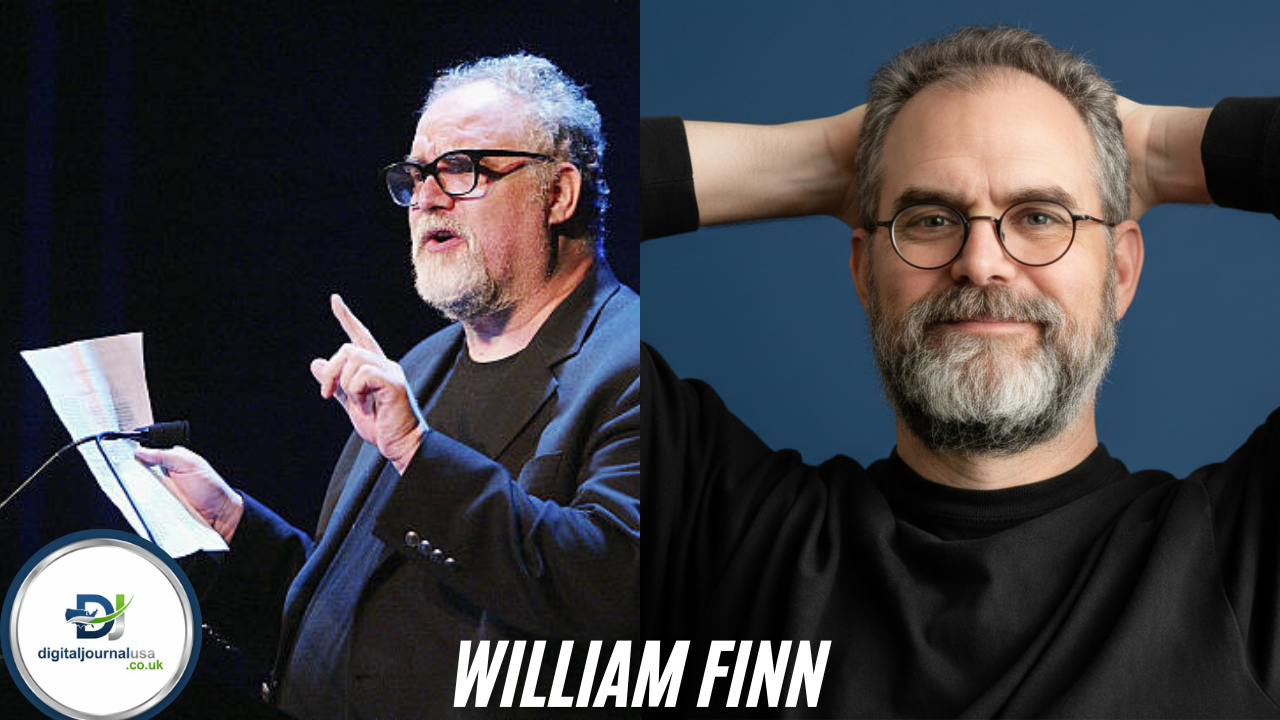
William Alan Finn was an influential American composer and lyricist who left an indelible mark on modern musical theater. His work, known for its emotional depth, witty lyrics, and unique blend of humor and heartbreak, has resonated deeply with audiences for decades. Finn’s ability to merge personal experiences with universal themes of identity, love, loss, and belonging has made his work a staple of Broadway and regional theater. This article explores the life, career, and legacy of William Finn, focusing on his most significant contributions to the world of musical theater.
Early Life and Background
Born on February 28, 1952, in Boston, Massachusetts, William Finn was raised in a Conservative Jewish family in the suburban town of Natick. His early life was steeped in music, with his family fostering his interest in the arts. Finn was exposed to the world of theater and music at an early age and found his passion for composition as a young adult. His formal education took place at Williams College, where he honed his musical and theatrical skills. Despite considering a career in medicine, Finn ultimately chose music, a decision that would define his future.
Finn’s childhood was marked by his deep connection to Jewish traditions and his struggle with his identity, particularly as he navigated his sexuality. These early experiences would become central themes in much of his later work. His career as a composer and lyricist took off as he began to write musicals that blended his personal experiences with broader social and emotional issues.
William Finn Major Works and Musicals
William Finn is best known for his groundbreaking work in musical theater. His contributions to the stage were not only innovative but also incredibly personal, often reflecting his own life experiences. Below are some of his most notable works:
Falsettos (1992)
“Falsettos” is perhaps Finn’s most acclaimed work. Premiering in 1992, this musical is a deep and poignant exploration of family, love, and identity. The show originally began as a series of one-act musicals and evolved into the full-length production known as “Falsettos.” It tells the story of Marvin, a gay man navigating his relationships with his ex-wife, his lover, his son, and his psychiatrist. The musical is notable for addressing the AIDS crisis during the early 1990s, exploring themes of illness, love, and the challenges of modern relationships.
“Falsettos” was groundbreaking in its portrayal of a gay family and its unapologetic treatment of the complexities of queer life. The musical received critical acclaim and won several prestigious awards, including Tony Awards for Best Original Score and Best Book of a Musical. It has become a classic of modern musical theater and is celebrated for its humor, its emotional depth, and its candid portrayal of the LGBTQ+ experience.
A New Brain (1998)
Following his own experience with a life-threatening brain condition, William Finn wrote “A New Brain,” a musical that draws heavily from his personal life. The musical, which premiered Off-Broadway in 1998, tells the story of Gordon Schwinn, a composer who is diagnosed with a brain condition and must confront his own mortality while trying to finish his latest work. The show is both a reflection on Finn’s own health struggles and a celebration of the power of art to heal.
“A New Brain” is known for its raw, emotional content and its exploration of themes such as mortality, creativity, and resilience. Finn’s ability to transform a deeply personal and difficult experience into a work of theater was both a triumph of artistic expression and a testament to his resilience. The musical received critical acclaim for its heartfelt performances and its unique blend of humor and tragedy.
Elegies: A Song Cycle (2003)
In 2003, Finn premiered “Elegies: A Song Cycle,” a collection of songs reflecting on the theme of death and loss. The piece was inspired by the deaths of several of Finn’s friends, as well as the aftermath of the September 11 attacks. “Elegies” is different from Finn’s previous works in that it is not a traditional musical with a linear narrative but rather a series of songs that explore the emotional impact of loss.
The song cycle features songs like “Looking Up,” “Passover,” and “Anytime (I Am There),” each exploring different aspects of grief, remembrance, and healing. The musical was praised for its emotional depth and its ability to address themes of death and loss with both humor and tenderness. The work solidified Finn’s reputation as a composer who was not afraid to tackle difficult and emotional subjects through his music.
The 25th Annual Putnam County Spelling Bee (2005)
“The 25th Annual Putnam County Spelling Bee” is another of Finn’s major contributions to musical theater. Premiering in 2005, this musical is a quirky and charming story about a group of middle school students competing in a spelling bee. While the plot may seem light-hearted on the surface, the show delves into the lives of the characters, exploring themes of adolescence, pressure, and self-discovery.
The musical received widespread acclaim and became a commercial success. Its playful and humorous tone, combined with its deeper emotional undercurrents, made it a favorite among audiences and critics alike. “The 25th Annual Putnam County Spelling Bee” is still frequently performed in theaters around the world, and its success further cemented Finn’s reputation as a versatile and talented composer.
Little Miss Sunshine (2013)
In 2013, Finn collaborated with James Lapine to adapt the indie film Little Miss Sunshine into a musical. While it was not as groundbreaking as some of his earlier works, the musical showcased Finn’s ability to adapt existing material for the stage. The show, which premiered at the La Jolla Playhouse, explored the lives of a dysfunctional family as they embark on a road trip to a beauty pageant.
While Little Miss Sunshine did not achieve the same level of critical or commercial success as some of Finn’s earlier musicals, it demonstrated his versatility and willingness to experiment with new forms of theater. The show’s light-hearted tone and poignant moments of family drama were emblematic of Finn’s ability to balance humor with heartfelt emotion.
Awards and Recognition
Throughout his career, William Finn received numerous accolades for his contributions to musical theater. His work on Falsettos earned him multiple Tony Awards, including Best Original Score and Best Book of a Musical. He also received recognition from the Drama Desk Awards and the Outer Critics Circle Awards for his work on A New Brain, Elegies, and other productions.
Finn’s ability to create musicals that resonated with both critics and audiences made him a significant figure in the world of musical theater. His work remains a standard in the industry, and his influence continues to be felt in the shows that have followed in his wake.
William Finn Death and Legacy
William Finn passed away on April 7, 2025, at the age of 73. His death marked the end of an era for modern musical theater. Finn’s passing was mourned by the theater community and his many fans, who remembered him not only for his remarkable music but for his vulnerability and honesty as an artist. His legacy continues to live on through his body of work, which remains a touchstone for theater artists and audiences alike.
Finn’s impact on musical theater cannot be overstated. His ability to tackle complex emotional issues with humor and grace made him one of the most important composers of his generation. His shows, including Falsettos, A New Brain, and Elegies, remain relevant and resonant to this day, and his influence can be seen in the work of countless contemporary composers and lyricists.
Conclusion
William Finn’s career was marked by an unflinching commitment to telling deeply personal stories with universal appeal. His musicals, which tackled themes of love, loss, identity, and resilience, continue to inspire theater artists and audiences around the world. From Falsettos to The 25th Annual Putnam County Spelling Bee, Finn’s work has left an indelible mark on the landscape of musical theater. His legacy is one of compassion, creativity, and artistic integrity, and his contributions to the world of theater will continue to be celebrated for years to come.