





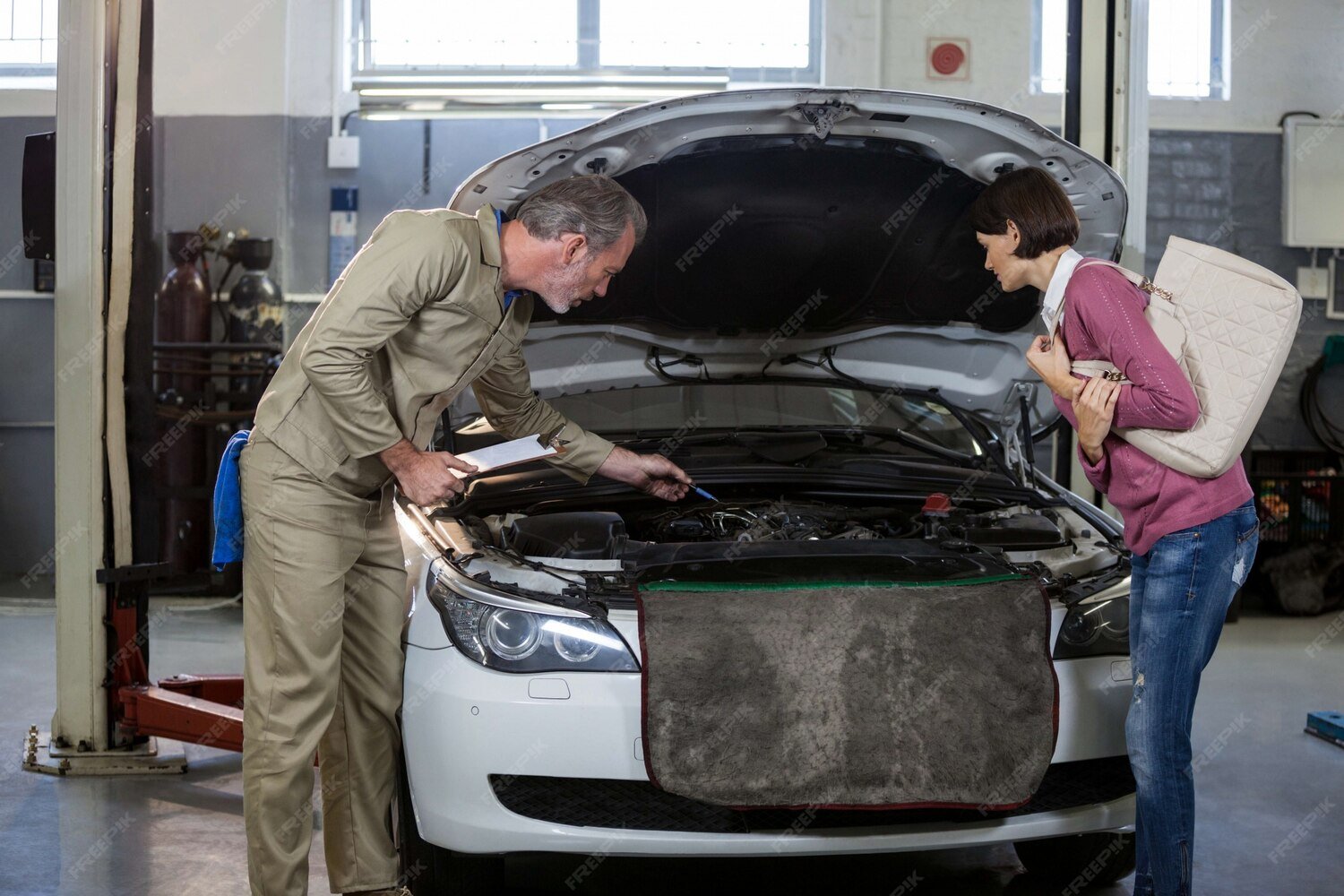
For many drivers, a car is more than just a way to get from point A to point B—it’s an essential part of daily life. Whether you’re commuting to work, running errands, or heading out on a road trip, keeping your vehicle in good condition ensures safety, reliability, and long-term savings. Understanding a few basic automotive repair tips can help you identify issues early, prevent costly breakdowns, and extend the lifespan of your vehicle.
Here are some essential automotive repair tips every driver should know.
Pay Attention to Warning Signs
Your car often gives subtle hints when something isn’t right. Strange noises, unusual vibrations, or warning lights on the dashboard should never be ignored. For example, squealing brakes might indicate worn brake pads, while a knocking sound from the engine could point to a more serious problem.
If a warning light appears, consult your vehicle’s manual to understand its meaning and take action quickly. Addressing minor issues early can prevent them from developing into major repairs later.
Keep Up with Routine Maintenance
Routine maintenance is the backbone of automotive reliability. Simple tasks like oil changes, tire rotations, and fluid checks can make a significant difference in how well your vehicle performs.
Engine oil keeps internal components lubricated and prevents excessive wear. Most vehicles require an oil change every 3,000 to 7,500 miles, depending on the type of oil and manufacturer recommendations. Regularly checking and replacing fluids such as coolant, brake fluid, and transmission fluid also helps maintain optimal performance.
A consistent maintenance schedule can greatly reduce the chances of unexpected breakdowns.
Inspect Your Brakes Regularly
Your braking system is one of the most critical safety features of your car. Worn brake pads, damaged rotors, or leaking brake fluid can compromise your ability to stop safely.
Signs that your brakes need attention include grinding noises, a soft brake pedal, or vibrations when braking. If you notice any of these symptoms, it’s important to have your brakes inspected by a professional technician as soon as possible.
Regular brake inspections ensure that your vehicle remains safe to drive and helps prevent more expensive repairs.
Take Care of Your Tires
Tires play a crucial role in handling, safety, and fuel efficiency. Maintaining the correct tire pressure helps ensure even wear and better fuel economy.
Drivers should check tire pressure at least once a month and before long trips. Uneven tire wear may signal alignment issues, suspension problems, or improper inflation.
Rotating your tires every 5,000 to 7,500 miles can help extend their lifespan and maintain balanced performance on the road.
Keep Your Battery in Good Condition
A dead battery is one of the most common reasons vehicles fail to start. Car batteries typically last three to five years, but extreme temperatures and frequent short trips can shorten their lifespan.
Check your battery terminals regularly for corrosion and ensure that the connections are tight. If your engine struggles to start or your lights appear dim, it might be time to test or replace your battery.
Keeping your battery in good shape ensures dependable starts every time you turn the key.
Maintain Your Vehicle’s Exterior
While mechanical components often get the most attention, maintaining your vehicle’s exterior is also important. Dirt, salt, and debris can gradually damage paint and metal surfaces if left untreated.
Proper cleaning and occasional paint repairs often require careful surface preparation to ensure that coatings adhere correctly and provide lasting protection. Taking care of your car’s exterior helps preserve its appearance and resale value over time.
Know When to Seek Professional Help
Although basic maintenance can be handled by many drivers, some automotive repairs require specialized tools and expertise. Engine diagnostics, transmission work, and electrical system repairs are best left to experienced professionals.
If you’re unsure about a repair or notice persistent problems, scheduling an inspection with a trusted auto repair technician is the safest approach. Professional service can prevent further damage and ensure the issue is resolved properly.
Final Thoughts
Understanding the basics of automotive repair empowers drivers to take better care of their vehicles. By paying attention to warning signs, staying on top of routine maintenance, and addressing issues promptly, you can keep your car running smoothly for years to come.
A well-maintained vehicle isn’t just more reliable—it’s safer, more efficient, and often less expensive to own in the long run. With a little knowledge and consistent care, every driver can enjoy the confidence that comes from knowing what’s happening under the hood.