




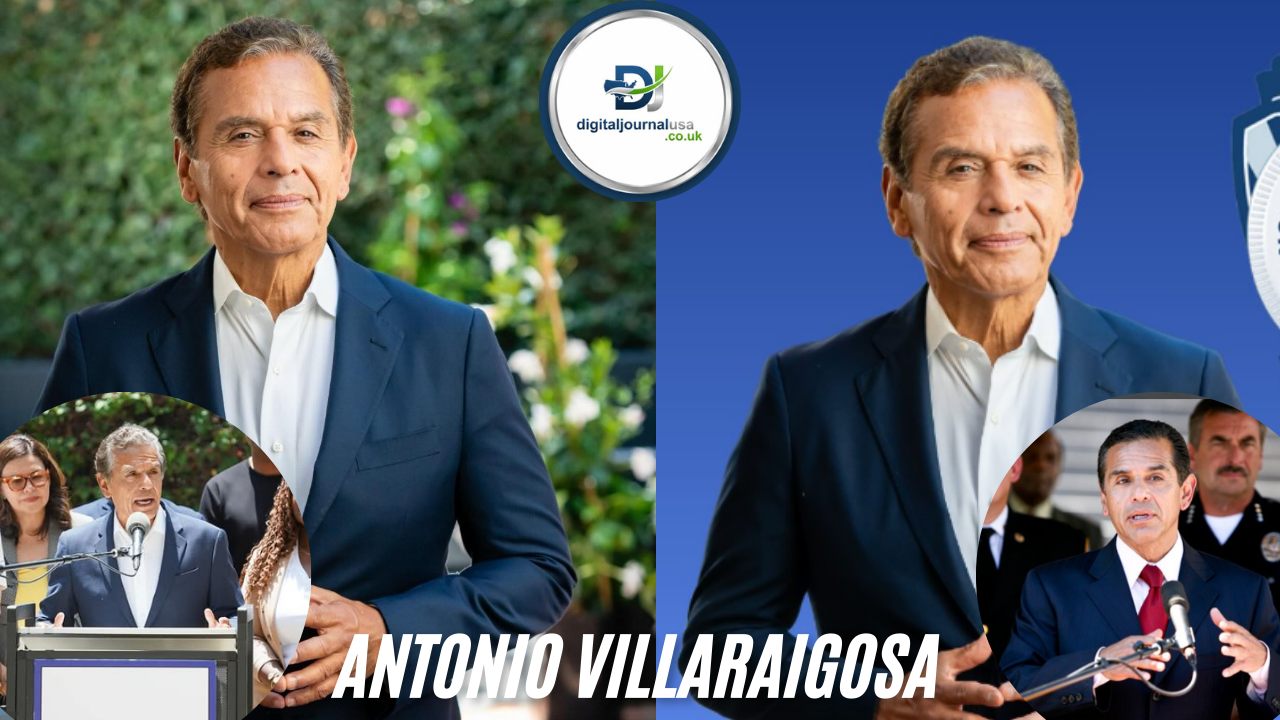
Antonio Villaraigosa is a prominent figure in California’s political landscape. From humble beginnings to leading Los Angeles as its mayor, his journey through public service has been marked by numerous accomplishments, challenges, and controversies. This article takes a closer look at his life, political career, personal life, and legacy.
Early Life and Education
Born on January 23, 1953, in Los Angeles, California, Antonio Ramón Villaraigosa was raised in the Boyle Heights neighborhood. He was born into a working-class family of Mexican descent, and his father abandoned the family when he was young, leaving his mother to raise him and his siblings. His early life was challenging, marked by struggles in academics and frequent changes in schools. However, Antonio’s determination to succeed led him to return to education after a brief period of dropping out.
He attended Roosevelt High School, later enrolling at East Los Angeles College, and ultimately transferring to University of California, Los Angeles (UCLA), where he earned his degree in history. His passion for social justice and public service was evident early on, and his education laid the foundation for his future in politics. After UCLA, Villaraigosa went on to earn a Juris Doctor degree from the People’s College of Law in Los Angeles, an accomplishment that demonstrated his commitment to improving his community.
Antonio Villaraigosa Political Beginnings
Antonio Villaraigosa’s entry into politics was shaped by his activism in civil rights and labor movements. Before entering elected office, he worked as a union organizer, fighting for the rights of workers and marginalized communities. He was heavily involved in labor organizations, including the Service Employees International Union (SEIU) and the United Teachers Los Angeles (UTLA). This work not only gave him insight into the challenges facing low-income workers but also helped him develop a reputation as a passionate advocate for social justice.
In 1994, Villaraigosa ran for a seat in the California State Assembly and won. His time in the Assembly was marked by his strong leadership, and by 1998, he became Speaker of the California State Assembly, where he worked on progressive policies concerning education, healthcare, and social issues. His legislative work laid the groundwork for his eventual rise in California’s political scene.
Los Angeles Mayor: A Historic Election and Accomplishments
In 2005, Antonio Villaraigosa made history by becoming the first Hispanic mayor of Los Angeles in over a century. His victory in the mayoral election was groundbreaking, as he not only represented a significant demographic of the city but also brought a fresh perspective to a city that was facing challenges such as high crime rates, a struggling public school system, and mounting housing issues.
During his two terms as mayor, Villaraigosa focused on revitalizing Los Angeles. His tenure was marked by efforts to improve public safety, education, and transportation. He increased the number of police officers, introduced gang prevention programs, and expanded public transit options, including the Metro Rail system. His leadership was credited with reducing violent crime in the city and improving the city’s economic standing through initiatives aimed at increasing business development and job creation.
Education was another area where Villaraigosa sought to make a lasting impact. He spearheaded efforts to improve the Los Angeles Unified School District (LAUSD), focusing on school safety, teacher quality, and student achievement. Though his efforts faced resistance from some teachers’ unions, Villaraigosa’s reforms set the stage for long-term educational improvements.
Gubernatorial Run and Future Political Aspirations
After his time as mayor, Villaraigosa sought higher office and ran for Governor of California in 2018. Though he gained significant support, he did not secure the Democratic nomination, losing to Gavin Newsom. Despite the setback, Villaraigosa remained active in California’s political arena, advocating for issues such as housing affordability, homelessness, and climate change.
In 2026, Villaraigosa announced his second run for governor, citing his extensive experience in both city and state politics. His campaign promises include improving California’s public education system, creating affordable housing, and addressing homelessness, all while working toward a more sustainable and inclusive future for the state.
Antonio Villaraigosa Personal Life: Family, Relationships, and Controversies
Antonio Villaraigosa’s personal life has often been the subject of public interest. He married Corina Raigosa in 1987, and the couple had four children together. However, the couple divorced in 2007. Villaraigosa’s personal life was further complicated by his relationships with television journalist Lu Parker and later Patricia Govea, whom he married in 2016.
Villaraigosa’s personal relationships have been widely reported in the media, and at times, his private life has sparked controversies, especially concerning alleged affairs. Despite this, Villaraigosa has managed to maintain a reputation as a committed public servant who focuses on the well-being of his constituents.
His relationships have been part of the broader media narrative, but his leadership on policy issues has consistently been his primary focus.
Antonio Villaraigosa Legacy and Net Worth
Antonio Villaraigosa’s legacy is defined by his historic leadership as mayor of Los Angeles, his advocacy for education reform, public safety, and urban development. His leadership has shaped the city in many ways, and his vision for a better Los Angeles continues to influence political discourse today.
As of 2026, Villaraigosa’s net worth is estimated to be around $3 million to $5 million, derived from his work in public service, his consulting firm, and speaking engagements. His post‑mayoral career includes offering advice on urban development and public policy, in addition to his work as a political consultant.
Antonio Villaraigosa Political Views and Endorsements
Villaraigosa has long been an advocate of progressive policies. As a Democrat, his views align with the party’s platform on issues like immigration reform, economic inequality, and environmental protection. He has also shown a commitment to expanding public transit and advocating for affordable housing in Los Angeles. His platform for governor includes bold proposals to address the state’s challenges and improve the lives of everyday Californians.
During his mayoral run and subsequent campaigns, Villaraigosa has earned endorsements from a variety of prominent political figures, labor unions, and community groups. His political allies include organizations advocating for immigrant rights, public education, and workers’ rights.
Conclusion
As of 2026, Antonio Villaraigosa continues to pursue his political ambitions, aiming for the governorship of California. His career has been a journey of highs and lows, marked by both significant achievements and challenges. His continued influence on California politics ensures that his legacy will remain a topic of discussion for years to come.
Villaraigosa’s ability to lead, even amid controversies, speaks to his resilience and determination. Whether he becomes the next governor of California or continues to influence policy in other ways, Antonio Villaraigosa will undoubtedly remain a key figure in the state’s political history.