





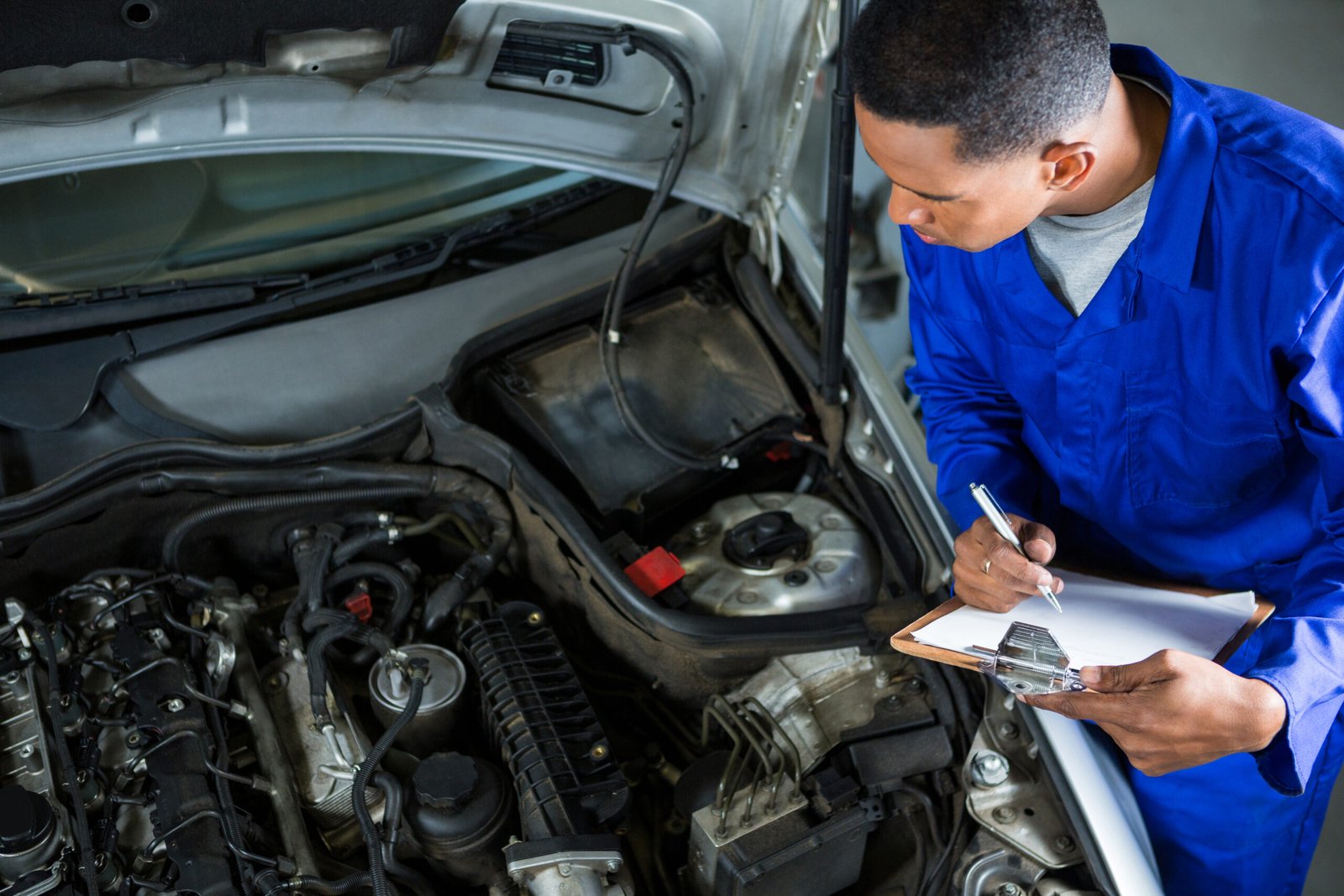
Buying your first car brings an incredible sense of freedom. You suddenly have the power to go anywhere on your own schedule, skip crowded public transit, and take spontaneous road trips. But that new set of keys also comes with a significant responsibility: keeping the vehicle running smoothly.
Essential Regular Checks for Every Driver
You can handle the most critical aspects of car maintenance right in your own driveway. Performing these routine inspections once a month will keep your car in top shape.
Checking the Motor Oil
Motor oil lubricates the moving parts inside your engine, preventing friction from destroying the metal components. To check your oil, park on level ground and wait for the engine to cool down. Pull out the dipstick, wipe it clean with a rag, reinsert it fully, and pull it out again. The oil level should sit between the two indicator marks near the bottom of the stick. If the oil is exceptionally dark, thick, or gritty, it is time for an oil change.
Tire Pressure and Tread Depth
Tires are your only contact with the road, making them vital for safety and fuel efficiency. Buy a cheap tire pressure gauge and check all four tires, plus the spare. You can find the recommended pressure levels printed on a sticker inside the driver’s side door jamb.
To check the tread depth, insert a penny into the tire groove with Lincoln’s head facing down. If you can see the top of his head, your tires are too worn, and you need new tires.
Topping Up Vital Fluids
Your car relies on several different fluids to operate safely. Get familiar with the locations of these reservoirs under the hood:
- Coolant: Prevents the engine from overheating or freezing.
- Brake fluid: Ensures your brake pedal actually stops the car.
- Windshield washer fluid: Keeps your visibility clear during bad weather.
Most of these reservoirs are made of clear plastic with “min” and “max” lines, making it easy to see if you need to top them off.
Exterior and Interior Cleaning
Car care is not just about the mechanics. Washing your car regularly removes dirt, bird droppings, and road salt that can eat away at the clear coat and cause rust. Applying a coat of wax every few months provides an extra layer of protection against the elements. Inside the car, vacuuming the floors and wiping down the dashboard prevents premature wear on your upholstery.
Seasonal Maintenance Tips
Vehicles behave differently depending on the weather. Adjusting your maintenance routine to match the seasons will prevent weather-related breakdowns.
Prepping for Winter Freezes
Cold temperatures put a massive strain on your car’s battery. Have your battery tested before the first freeze to ensure it holds a proper charge. You should also consider switching to winter tires if you live in an area that gets heavy snow. Winter tires use a specialized rubber compound that stays flexible in freezing temperatures, providing much better grip than standard all-season tires.
Surviving Summer Heat
Extreme heat can be just as damaging as cold. The summer sun causes coolant to evaporate faster, leading to engine overheating. Check your coolant levels frequently during July and August. You also want to test your air conditioning system in the spring so you aren’t caught sweating on the highway during a July heatwave.
When to Seek Professional Help
While DIY maintenance is great, knowing your limits is equally important. Ignoring serious warning signs can lead to dangerous driving conditions and massive repair bills.
Pay close attention to the warning lights on your dashboard. A check engine light could mean something as simple as a loose gas cap, but it can also indicate a failing catalytic converter. If a light flashes red, pull over safely and turn off the engine immediately.
Strange noises are another clear indicator that you need a mechanic. Grinding sounds when you press the brake pedal usually mean your brake pads are completely worn down, causing metal to scrape against metal.
Glass damage is another area where professionals are necessary. A small rock chip can quickly spread into a massive web of cracked glass if the temperature changes suddenly. If you catch a rock on the highway, do not try to fix it yourself with a cheap resin kit. Instead, look for reputable windshield replacement services in Salt Lake City, or wherever you happen to be located, to ensure the structural integrity of your vehicle is restored safely.
DIY vs. Professional Services
Figuring out what to do yourself and what to outsource is a key part of car ownership.
Simple tasks that require minimal tools are perfect for DIYers. You can easily replace your own windshield wipers, swap out a dirty engine air filter, or change out a burnt headlight bulb. Doing these tasks at home will save you steep labor charges at the dealership.
However, you should always leave complex mechanical work to certified technicians. Replacing a timing belt, diagnosing electrical shorts, or rebuilding a transmission requires specialized diagnostic tools and years of training. Attempting these jobs without the right knowledge often causes more expensive damage than the initial problem.
Conclusion
Taking the time to maintain your car yields incredible long-term benefits. A well-documented maintenance history drastically increases the resale value of your vehicle if you ever decide to upgrade. More importantly, regular upkeep gives you peace of mind. You will never have to worry about your car failing you in an emergency.