





A cleft palate is a congenital condition where the roof of the mouth does not fully close during fetal development. This gap can affect one or both sides of the palate and may occur with or without a cleft lip. While it is a common birth defect, it requires careful attention and a coordinated approach to treatment to ensure a child’s overall health, development, and confidence.
Causes of Cleft Palate
Cleft palate results from a combination of genetic and environmental factors. Certain genes inherited from parents can increase the likelihood of a cleft forming. Additionally, environmental influences during pregnancy, such as maternal smoking, alcohol consumption, or inadequate nutrition, may contribute to the risk. Some medications taken during pregnancy can also play a role, making prenatal care and consultation essential.
It is important to note that having a cleft palate is not the result of anything a parent did or failed to do. Understanding the causes helps families focus on early intervention rather than blame.
Early Diagnosis and Importance of Screening
Cleft palate is often diagnosed during routine prenatal ultrasounds. In some cases, it may not be detected until after birth when feeding difficulties or speech delays become noticeable. Early diagnosis is crucial because it allows for timely intervention, which significantly improves outcomes in feeding, speech, and overall health.
Pediatricians and specialists often recommend a team approach, including surgeons, orthodontists, speech therapists, and ENT doctors, to create a comprehensive care plan. This ensures that the child receives the right support at each stage of growth.
Treatment Options
Treatment for cleft palate usually involves surgery to close the gap and reconstruct the palate. The timing of surgery depends on the child’s age, health, and specific needs. Many children undergo their first surgery between 6 and 18 months old, followed by additional procedures as they grow to address speech, dental, or cosmetic concerns.
Speech therapy is another critical component of treatment. Even after successful surgery, some children may experience difficulty with articulation or nasal speech. Consistent speech therapy can help them develop clear communication skills and improve confidence.
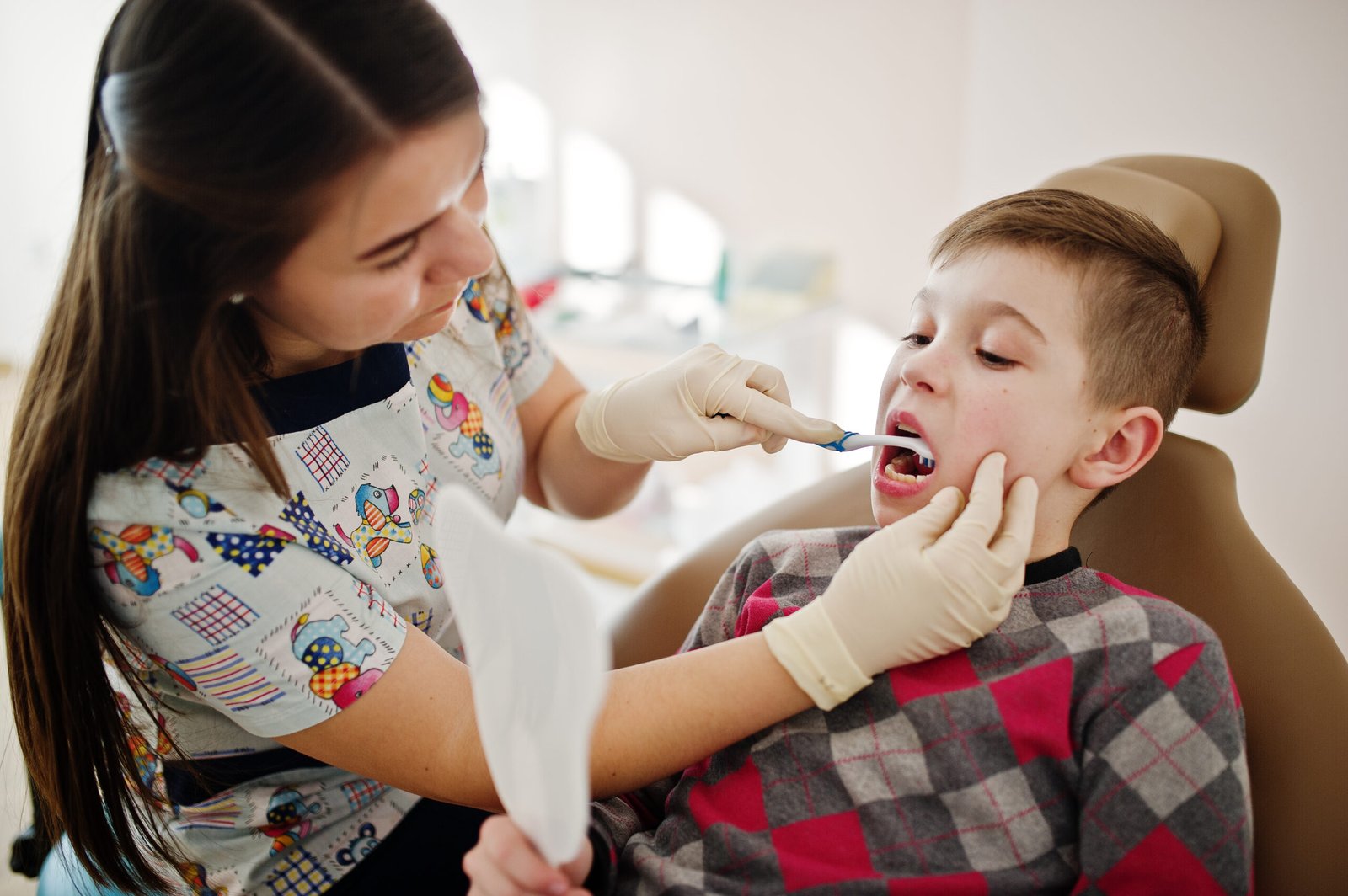
Dental care also plays a vital role. Children with cleft palate may have dental issues, such as misaligned teeth or increased risk of cavities. Routine dental visits and proper oral hygiene are essential. If a dental emergency arises, such as a sudden toothache or injury, an emergency dentist in Layton can provide prompt care to prevent complications.
Supporting Your Child and Family
Raising a child with a cleft palate involves both medical and emotional support. Families may face challenges in feeding, speech, and social interactions, which can affect the child’s confidence. Support groups, counseling, and connecting with other families who have similar experiences can provide valuable guidance and reassurance.
Feeding support is particularly important in the early months. Specialized bottles and nipples can help infants feed efficiently, ensuring they receive proper nutrition while avoiding frustration and discomfort.
Preventive Measures and Long-Term Care
While not all cases of cleft palate can be prevented, expectant mothers can reduce risk factors through healthy prenatal habits. Avoiding smoking, limiting alcohol, maintaining a balanced diet rich in folic acid, and attending regular prenatal appointments are all beneficial steps.
Long-term care involves monitoring speech development, dental health, and overall well-being. Children with cleft palate may require orthodontic treatments, additional surgeries, or ongoing speech therapy as they grow. Close collaboration with a healthcare team ensures these interventions are timely and effective.
In Conclusion
A cleft palate can present challenges, but with early intervention, medical care, and family support, children can lead healthy, fulfilling lives. Awareness of the causes, treatment options, and ongoing care strategies empowers parents to take proactive steps for their child’s development. Remember, access to specialized professionals, including an emergency dentist in Layton, ensures that any urgent dental issues are addressed promptly.
With the right combination of medical treatment, emotional support, and consistent care, children with cleft palate can thrive both physically and emotionally, enjoying life with confidence and a healthy smile.