




Introduction to Al Sharpton
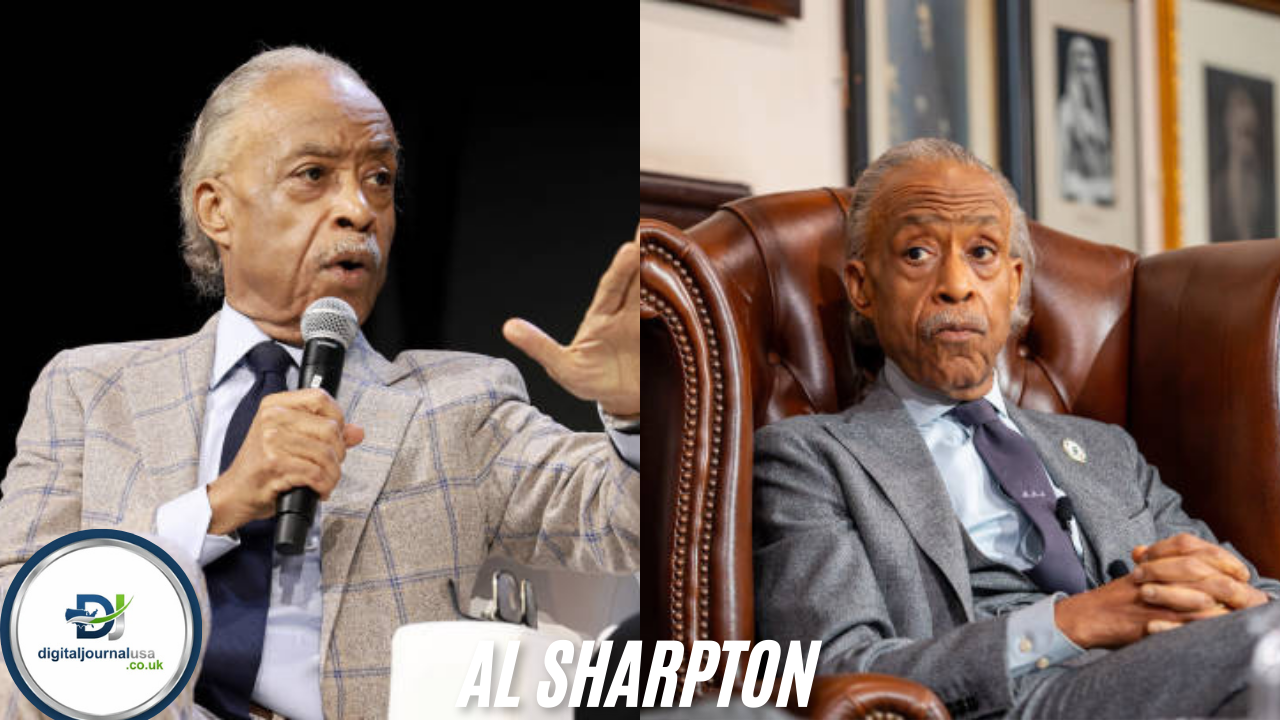
Alfred Charles Sharpton Jr., known as Al Sharpton, is an American civil rights leader, Baptist minister, television and radio personality, and founder of the National Action Network (NAN). Born on October 3, 1954, in Brooklyn, New York, Sharpton rose from humble beginnings to become one of the most recognizable figures in American politics and activism. He has been a voice for marginalized communities for over five decades, advocating for racial justice, economic equality, and civil rights.
Early Life and Formation of Activism
Sharpton’s journey as a civil rights leader began at an incredibly young age. Growing up in Brownsville, Brooklyn, he was exposed to the challenges of urban life and the systemic inequalities affecting African Americans. Sharpton’s passion for preaching started early, delivering his first sermon at the age of four. By the time he was a teenager, Sharpton had already taken up the cause of civil rights, working closely with Rev. Jesse Jackson’s Operation Breadbasket program, which was part of the Southern Christian Leadership Conference (SCLC).
Sharpton’s early activism centered on addressing racial disparities in the church and advocating for better economic opportunities for Black communities. He also worked with local leaders to help raise awareness about discrimination in housing, education, and employment.
Al Sharpton Rise to National Prominence
In the 1980s and 1990s, Sharpton became a major figure in the national spotlight, leading protests and organizing rallies against racial injustice. One of his first national moments of visibility came after the Howard Beach incident in 1986, where a Black man was murdered by white men in a racially charged attack. Sharpton’s call for justice and mobilization of protests put him at the forefront of civil rights activism in New York City.
Sharpton’s reputation grew when he took up the cause of Tawana Brawley, a Black teenager who claimed she had been raped by a group of white men, including police officers. While the case was ultimately discredited, with Brawley later admitting the allegations were fabricated, Sharpton’s involvement raised his public profile.
His activism was marked by bold and sometimes controversial stances, but it also opened up vital conversations on police brutality, racial profiling, and the criminal justice system. He continued to lead protests after incidents like the death of Amadou Diallo in 1999, a young immigrant shot by police in the Bronx.
National Action Network and Advocacy
In 1991, Sharpton founded the National Action Network (NAN), an organization dedicated to civil rights advocacy. Under his leadership, NAN grew into one of the most influential grassroots organizations, focusing on voter rights, economic justice, police reform, and educational access. Sharpton used the platform to demand accountability from corporations, politicians, and public officials regarding their treatment of African Americans and other minorities.
National Action Network organized rallies, marches, and demonstrations, gaining significant media attention. Sharpton often took a confrontational approach, threatening boycotts and protests to push for change. This strategy brought him both acclaim and criticism, with some accusing him of being more interested in media attention than in creating tangible change.
Sharpton in Media: MSNBC, Radio, and Beyond
Sharpton’s media career further cemented his place in American culture. He began making regular appearances on national television, offering commentary on racial issues, politics, and social justice. His sharp opinions and charismatic presence earned him a slot on MSNBC, where he hosted the popular political show PoliticsNation. His television career helped bring his message to a larger audience, giving him a platform to discuss racial inequality and the importance of activism in the modern age.
In addition to his TV work, Sharpton also hosted a nationally syndicated radio show called Keepin’ It Real with Al Sharpton, where he continued to address issues affecting African Americans and the broader public. His media presence allowed him to directly influence the public conversation on race, justice, and inequality.
Controversies and Criticisms
Despite his prominence, Sharpton’s career has not been without controversy. One of the most significant controversies was his involvement in the Tawana Brawley case, where he became a key spokesperson for the teenager who accused several white men, including police officers, of her assault. After the case was proven to be a hoax, Sharpton faced significant backlash, with many accusing him of exploiting the situation for personal gain. The fallout from this case would shadow Sharpton’s career for years.
Additionally, Sharpton has faced allegations of being an FBI informant in the 1980s, with claims that he provided information about organized crime figures. These allegations have been a point of contention, with Sharpton consistently denying any such claims.
Sharpton has also been criticized for his financial dealings, particularly related to his National Action Network, which has faced scrutiny for its fundraising practices. Despite these criticisms, Sharpton has remained a steadfast advocate for civil rights, continuing his activism despite the controversies surrounding his personal life and career.
Personal Life and Public Image
Sharpton’s personal life has also been the subject of media attention. He has been married once, to Kathy Jordan, with whom he has two daughters. The couple divorced in the mid-2000s. Sharpton has also been linked to various women over the years, but he has never remarried. His family life has often been kept private, though his two daughters have occasionally appeared in the public eye.
Sharpton’s image has evolved over time, from a firebrand activist to a mainstream political figure. His weight loss journey, which saw him shed significant pounds in recent years, was widely covered in the media. This transformation not only affected his physical appearance but also shaped how he was perceived in the public eye.
Al Sharpton Impact on Civil Rights
Sharpton’s influence on civil rights in the U.S. is undeniable. He has been a leading figure in the fight for racial equality, often pushing the boundaries of what was considered acceptable protest and activism. His work has helped bring national attention to issues such as police brutality, voting rights, economic disparity, and educational inequality. Sharpton’s advocacy for marginalized communities has had a lasting impact on American politics, with his voice often heard in the corridors of power.
While his methods have been controversial at times, Sharpton’s work has created a lasting legacy. His ability to mobilize people, raise awareness, and push for legislative changes has made him a key player in the ongoing struggle for social justice in America.
Conclusion
Al Sharpton’s life and career have been marked by both triumph and controversy. From his early days as a child preacher to his rise as a national figure in civil rights activism, Sharpton has remained committed to his cause. Despite the challenges and criticism he has faced, his influence on American politics and society is undeniable. Through his work with the National Action Network, his media career, and his tireless activism, Sharpton has helped shape the conversation on racial justice and inequality in America.
Today, Sharpton’s legacy continues to inspire new generations of activists. While his methods may have evolved, his commitment to the fight for justice and equality remains as strong as ever. Sharpton’s work is far from over, and his impact on American civil rights will continue to be felt for years to come.